
Eating too much pineapple can cause mouth pain, which is usually due to the breakdown of oral mucosal protein by bromelain, stimulation by calcium oxalate crystals, and changes in osmotic pressure caused by high sugar content. It can be relieved by rinsing the mouth, stopping consumption, and taking milk.
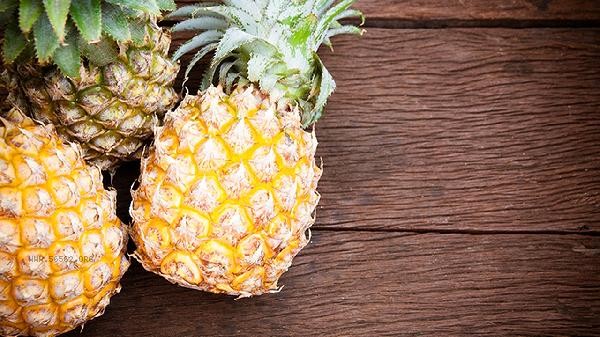
1. Enzymatic hydrolysis
Pineapple contains abundant bromelain, which is a bioactive substance that can break down proteins. When consuming large amounts of pineapple, this enzyme directly contacts and breaks down proteins on the surface of the oral mucosa, causing damage to the mucosa and resulting in a tingling or numbness sensation. This condition is a physiological response and usually does not require special medication. Stopping consumption and repeatedly rinsing with water can alleviate symptoms. Over time, the oral mucosa will repair itself.
2. Crystallization stimulation
Pineapple flesh contains needle shaped calcium oxalate crystals, which can mechanically puncture the oral mucosa and tongue surface during chewing, causing physical pain. Especially for unripe pineapples, their crystal content may be higher and their irritability stronger. If such a situation occurs, it is recommended to stop eating immediately and drink an appropriate amount of warm water to rinse the mouth, reduce crystal residue, and avoid further friction and damage to mucosal tissue. Pineapple contains high levels of natural sugars and organic acids, and excessive consumption can increase the osmotic pressure of the local oral environment, leading to dehydration of oral mucosal cells and causing dryness and pain. Meanwhile, acidic substances may also stimulate sensitive nerve endings. For discomfort caused by this reason, it is possible to neutralize acidic substances by taking a small amount of milk or yogurt, protect the mucosa, and reduce irritation by utilizing the characteristic of protein binding to acid.
4. Allergic reactions
Some people have an allergic constitution to specific protein components in pineapple, which may induce oral allergic syndrome after consumption, manifested as lip swelling, tongue pain, throat itching and other symptoms. This is a pathological factor that may be related to individual immune system abnormalities, usually accompanied by accompanying symptoms such as skin erythema or respiratory distress. If allergy is suspected, anti allergic drugs such as loratadine tablets, chlorpheniramine maleate tablets, or cetirizine hydrochloride tablets should be used under the guidance of a doctor for treatment.

5. Mucosal Inflammation
Long term or excessive consumption of pineapple may lead to non-specific inflammation of the oral mucosa, manifested as congestion, edema, and persistent pain, and in severe cases, may form superficial ulcers. This may be related to pre-existing oral diseases such as gingivitis or oral ulcers, which typically manifest as symptoms such as difficulty eating and painful speech. At this time, the medicine such as compound chlorhexidine gargle, cedilide buccal tablet or recombinant human epidermal growth factor gel can be used according to the doctor's advice to help diminish inflammation and promote healing.
When consuming pineapple in daily life, attention should be paid to controlling the intake and avoiding excessive consumption at once. It is recommended to cut the pineapple into small pieces and soak them in light salt water for a moment before consumption to reduce the activity of bromelain and reduce the stimulation of calcium oxalate crystals. Rinse mouth with clean water promptly after consumption to maintain oral hygiene. If there is persistent severe pain, severe swelling, or difficulty breathing, it is necessary to seek medical attention immediately to rule out the possibility of severe allergies or other complications. Do not blindly self medicate to avoid delaying the condition.









Comments (0)
Leave a Comment
No comments yet
Be the first to share your thoughts!