
The sweating caused by eating betel nut is mainly related to the stimulation of sympathetic nervous system by betel nut alkaloids, excitation of thermoregulatory center, increased metabolic rate, vasodilation response, and individual sensitivity differences.
1. Neural stimulation
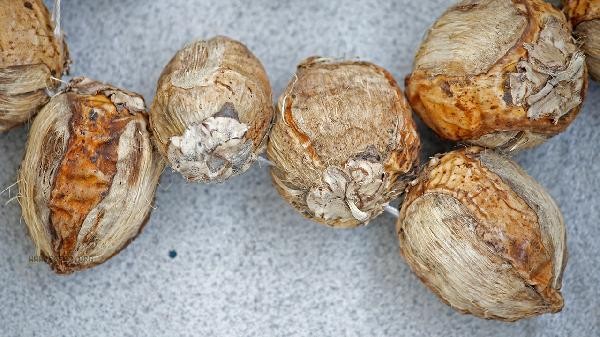
Betel nut contains a large amount of arecoline, which is an alkaloid component that directly acts on the autonomic nervous system after entering the human body. It strongly stimulates the sympathetic nerve endings, leading to an increase in the frequency of nerve impulses. The excessive excitement of this nervous system can send incorrect signals to sweat glands, causing them to secrete a large amount of sweat, resulting in sweating in the head, neck, and even the whole body. This is a direct physiological response of the body to chemical stimuli.
2. Central excitation
After ingesting betel nut, its active ingredients can penetrate the blood-brain barrier and act on the thermoregulatory center of the hypothalamus. This can cause the central nervous system to be in a highly excited state, leading to misjudgment of excessive body temperature and triggering the cooling mechanism. In order to lower the perceived temperature, the body accelerates heat dissipation by enlarging skin capillaries and opening sweat pores, resulting in flushed complexion and obvious sweating, similar to physiological reactions after intense exercise.
3. Accelerated metabolism
Chewing betel nut can cause frequent movement of oral muscles, while arecoline can accelerate the basal metabolic rate in the body. The acceleration of metabolic processes will generate more endogenous heat, leading to an increase in internal heat load. In order to maintain a constant body temperature, the body must dissipate excess heat through evaporation, and sweating is the main way of heat dissipation. Sweating caused by metabolic hyperactivity is usually accompanied by increased heart rate and a feeling of body heat.
4. Vasodilation
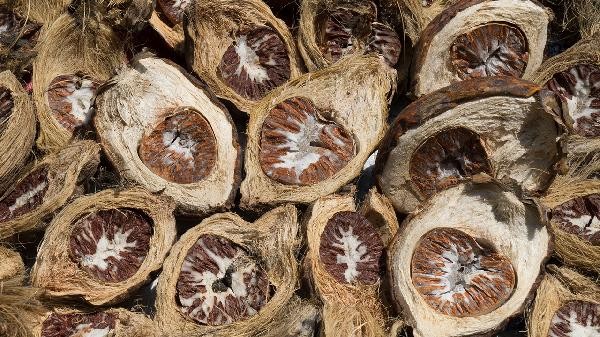
The components in betel nut have significant vasodilatory effects, especially on the microvessels of the head and face. When blood vessels dilate, the amount of blood flowing through the surface of the skin increases, taking away more core heat to the surface. In order to meet the heat dissipation requirements brought about by these hemodynamic changes, the secretion activity of sweat glands is enhanced accordingly. This vascular reaction not only leads to sweating, but also often accompanies signs such as facial redness and eye congestion, which is a manifestation of accelerated local blood circulation.
5. Individual Differences
There are significant differences in the sensitivity of different populations to arecoline. Due to genetic factors or past exposure history, some populations have a more intense nervous system response to betel nut components, and slight intake can trigger strong sweating reactions. In addition, first-time users or those with weaker constitutions are more likely to experience discomfort symptoms such as sweating profusely, dizziness, and palpitations due to a lack of tolerance, while long-term consumers may experience increased tolerance and relatively weakened sweating reactions but still exist. Although sweating caused by eating betel nut is a common physiological reaction, long-term chewing of betel nut can cause serious damage to the oral mucosa, increase the risk of oral cancer, and may lead to tooth wear, periodontal disease, and temporomandibular joint disorders. It is recommended that the public avoid consuming betel nut as much as possible. If dependence has already occurred, professional help should be sought to gradually quit. Daily diet should be mainly light, consume more fresh vegetables and fruits, maintain sufficient hydration, and engage in moderate aerobic exercise to enhance physical fitness. If there are abnormal white spots or ulcers in the mouth that cannot be cured for a long time, it is necessary to immediately go to the dental department of the hospital for examination of the disease.




Comments (0)
Leave a Comment
No comments yet
Be the first to share your thoughts!