
It is not completely impossible to eat salt during confinement. Moderate intake of salt can help maintain electrolyte balance in the body. The main misconception stems from concerns about the harm of excessive intake. The correct approach includes controlling the total amount, avoiding pickled foods, choosing light cooking, paying attention to edema, and adjusting diet according to medical advice.
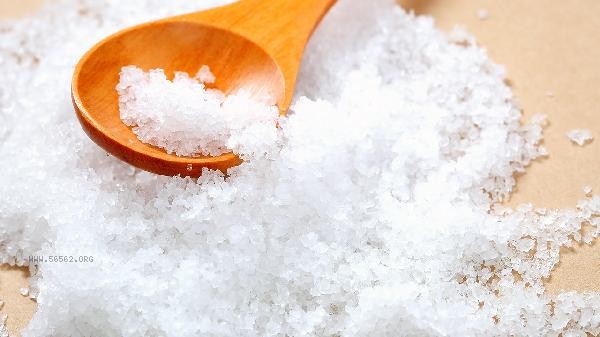
1. Control the total amount
Postpartum women's body is in recovery period, and the renal function has not yet fully recovered. Excessive intake of salt will lead to sodium ion retention, increase the renal burden and cause water and sodium retention. In daily diet, the total intake of salt should be strictly limited, and it is recommended to maintain a low level every day to avoid excessive taste. By reducing the amount of salt added during stir frying and using natural ingredients to enhance flavor, sodium intake can be effectively controlled, preventing high blood pressure and body swelling caused by a high salt diet, and helping the body recover normal metabolic function faster.
2. Avoid marinating
Pickled foods such as pickled vegetables, cured meat, soy sauce, etc. contain extremely high levels of hidden salt and are often accompanied by harmful components such as nitrite. Consuming such foods during the postpartum period not only leads to excessive salt intake, but may also affect the quality of breast milk, thereby affecting the health of infants through breastfeeding. Pregnant women should firmly avoid consuming various pickled products and instead choose fresh vegetables, fruits, and meat to ensure the safety and purity of their nutritional sources, and prevent hindering wound healing or inducing other complications due to a high salt and high-fat diet.
3. Light Cooking
The cooking method directly affects the actual intake of salt, and the cooking habit of heavy oil and salt is the main reason for excessive salt content. It is recommended to use light cooking techniques such as steaming, boiling, and stewing, and minimize the use of sodium containing seasonings such as soy sauce, monosodium glutamate, and chicken essence. Using natural spices such as scallions, ginger, garlic, lemon juice, and shiitake mushrooms to enhance the flavor of dishes can satisfy taste buds and significantly reduce sodium intake. This dietary pattern helps to reduce cardiovascular pressure, promote postpartum gastrointestinal function recovery, and ensure that milk tastes light and suitable for infants to consume.
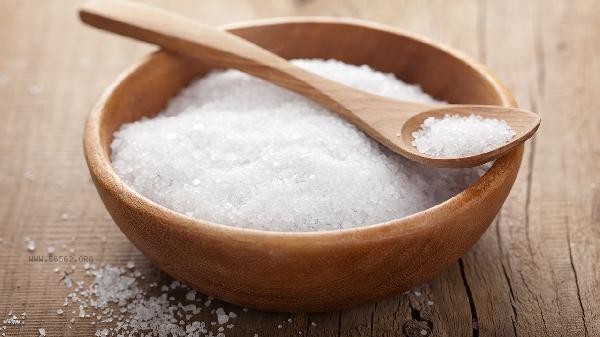
4. Pay attention to edema
Some mothers may experience physiological edema after delivery. If too much salt is ingested at this time, it will exacerbate water retention, slow down the swelling process, and even worsen symptoms. A high salt diet can lead to an increase in extracellular fluid, manifested as significant swelling of the face and limbs, and difficulty in restoring depression after compression. Closely observe changes in body swelling, and if swelling worsens, immediately reflect on dietary structure and actively reduce salt supply. By combining a low salt diet with moderate activity, excess water can be eliminated more quickly, body discomfort can be alleviated, and body shape recovery can be promoted.
5. Follow medical advice
For pregnant women with gestational hypertension, kidney disease, or severe heart disease, salt intake should strictly follow medical guidance and may require a salt free or very low salt diet plan. These special populations have weaker physical regulation abilities, and indiscriminate salt intake may trigger critical illness. It is essential to develop personalized recipes under the evaluation of a doctor or professional nutritionist, and regularly monitor blood pressure and kidney function indicators. Do not blindly believe in folk remedies that completely ban salt, nor should you decide to eat a large amount of salt on your own. Scientific and reasonable salt restriction measures are the key to ensuring the safety of mothers and infants.
During the postpartum period, dietary adjustments should focus on balanced nutrition, consuming fresh fish, lean meat, eggs, and soy products rich in high-quality protein, combined with sufficient vegetables and fruits to supplement vitamin C and dietary fiber, promote intestinal peristalsis, and prevent constipation. Daily attention should be paid to rest, ensuring sufficient sleep, and avoiding excessive fatigue that affects body repair. Moderate postpartum rehabilitation exercises, such as Kegel exercises or walking, can help enhance physical fitness and promote lochia excretion. Maintain a happy mood and avoid anxiety that can interfere with the endocrine system. If there are any physical discomfort or abnormal symptoms, seek professional medical help in a timely manner. Do not self medicate or try unverified dietary remedies to ensure a scientific and safe postpartum recovery process.



Comments (0)
Leave a Comment
No comments yet
Be the first to share your thoughts!