
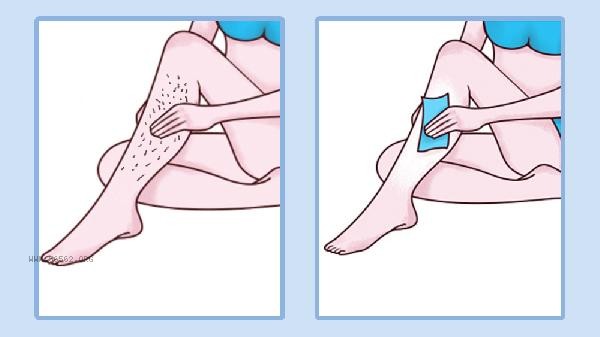
Ice point hair removal is generally not recommended during menstruation, as it is mainly related to fluctuations in hormone levels, increased pain sensitivity, increased risk of infection, unstable skin condition, and affected postoperative recovery.

1. Hormonal level fluctuations
During menstruation, the levels of estrogen and progesterone in women's bodies significantly decrease, which may lead to a weakened response of hair follicles to laser energy. Ice point hair removal relies on selective photothermal action to destroy hair follicles, and hormonal changes may affect the distribution and absorption efficiency of melanin in hair follicles, reducing hair removal effectiveness. At this point, the operation may require an increase in energy intensity, which can easily cause adverse skin reactions.
2. Increased Pain Sensitivity
Increased secretion of prostaglandins during menstruation can enhance pain sensitivity. Although ice point hair removal uses cooling technology to reduce pain, stronger discomfort may still be felt during menstruation. Some people may experience obvious pain or burning sensation, which may trigger or worsen dysmenorrhea symptoms due to pain stimulation.
3. Increased risk of infection
During menstruation, the immune system is relatively weakened, and the perineum is in a humid environment, which accelerates bacterial growth. Hair removal procedures may cause minor skin damage, and improper cleaning and care may increase the likelihood of folliculitis or skin infections. Especially when performing bikini area hair removal, the risks need to be vigilant.
4. Unstable skin condition
Decreased progesterone levels can temporarily weaken the skin barrier function, making it prone to dryness, redness, or sensitivity. The thermal stimulation of ice point hair removal may cause abnormal reactions, such as erythema, edema, and other side effects, which may be more severe and lasting than usual.
5. Postoperative recovery affected
Menstrual blood circulation changes may slow down skin repair speed, and the temporary redness and swelling commonly seen after hair removal may take longer to subside. Mild abnormalities in coagulation function in some individuals may increase the likelihood of subcutaneous bleeding or bruising, affecting postoperative aesthetics and comfort.
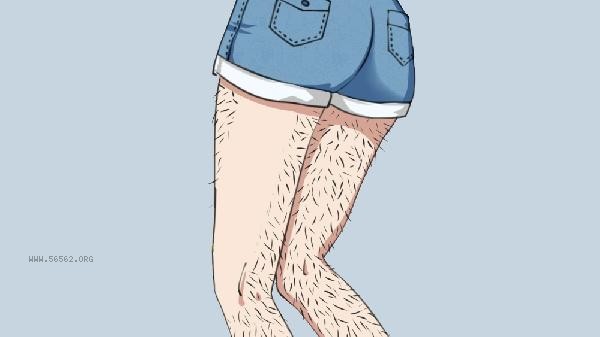
It is recommended to schedule ice point hair removal 3 days after the end of menstruation, when hormone levels tend to stabilize and skin tolerance is restored. If it is necessary to operate during menstruation, it is necessary to inform the doctor in advance to adjust the parameters, strengthen cold compress and moisturizing after surgery, and avoid high temperature environment stimulation. Do not use skincare products containing alcohol within 24 hours after hair removal. Wear loose cotton clothing to reduce friction. If abnormal redness, swelling, or purulent discharge is found, seek medical attention promptly. Daily supplementation of vitamin C and zinc elements can help with skin repair, and attention should be paid to sun protection during hair removal cycles to avoid pigmentation.





Comments (0)
Leave a Comment
No comments yet
Be the first to share your thoughts!