
Long spots on the face may be caused by genetic factors, UV radiation, endocrine disorders, skin inflammation, medication factors, etc., and can be improved through sun protection care, medication intervention, laser treatment, and other methods.

1. Genetic factors
Some populations are prone to developing melasma or freckles due to familial inheritance, which is related to abnormal activity of melanocytes. Manifested as symmetrically distributed light brown spots, commonly found on the cheeks and nose bridge. Daily sun protection should be strengthened to avoid UV rays exacerbating pigmentation. If necessary, medication such as hydroquinone cream, tranexamic acid tablets, and vitamin E soft capsules can be used to assist in dilution according to medical advice.
2. Long term exposure to sunlight can activate tyrosinase, leading to excessive synthesis of melanin and the formation of sunspots. Commonly seen in prominent areas such as cheekbones and forehead. It is recommended to use sunscreen with an SPF of 30 or above daily, in conjunction with physical shading measures. If pigmentation has already formed, you can try skincare products containing arbutin and tranexamic acid, or use Q-switched laser therapy.
3. Endocrine disorders
Pregnancy, oral contraceptives, or thyroid disease may cause fluctuations in estrogen levels and induce melasma. Commonly seen in women of childbearing age, it presents as patchy brown spots with blurred boundaries. It is necessary to check gynecological and endocrine diseases, stabilize hormone levels, and then use levo vitamin C essence, kojic acid cream, glutathione tablets and other drugs to improve.
4. Skin Inflammation
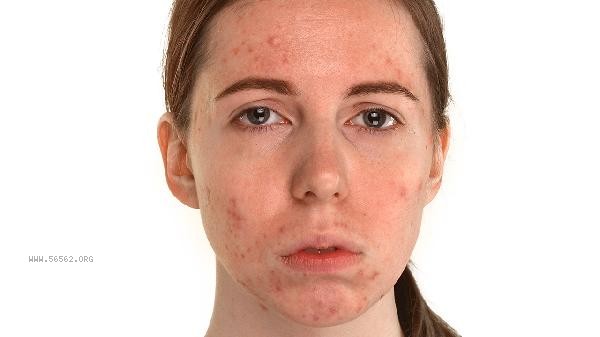
Acne, eczema, and other inflammations may leave behind post inflammatory pigmentation after subsiding. Manifesting as dark brown patchy patches, consistent with the original lesion area. Primary skin diseases need to be controlled to avoid scratching and irritation. During the recovery period, compound glycyrrhizin tablets, nicotinamide gel, asiaticoside cream ointment, etc. can be used to reduce pigment deposition.
5. Drug factors
Long term use of photosensitive drugs such as chlorpromazine and tetracycline may induce drug-induced pigmentation. Often accompanied by skin photosensitivity. It is necessary to consult a doctor to adjust the medication plan and strictly avoid light. Adjuvant therapy can include the use of Rendi lactic acid cream, vitamin A lactic acid cream, and topical preparations of superoxide dismutase.
It is important to pay attention to sun protection throughout the year, choose broad-spectrum sunscreen products, and reapply every 2-3 hours. Maintain a regular daily routine, control a high sugar and high-fat diet, and supplement with appropriate amounts of vitamin C and vitamin E. Avoid using irritating cosmetics and move gently when cleansing. If the pigmentation significantly deepens, expands, or is accompanied by ulceration in the short term, timely medical examination should be conducted to investigate the possibility of skin malignancy. During the treatment period, strictly follow the doctor's advice and do not increase the dosage of medication or frequently change the plan on your own.









Comments (0)
Leave a Comment
No comments yet
Be the first to share your thoughts!