
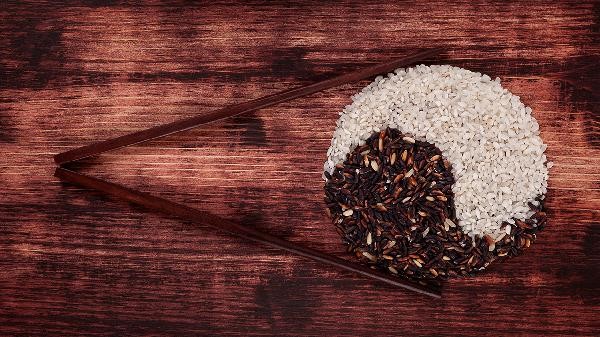
People with weak digestive function, patients with acute gastroenteritis, people with poor control of diabetes, people with severe iron deficiency anemia, and people at the initial stage of postoperative recovery should not eat more black rice.
1. Weak digestion
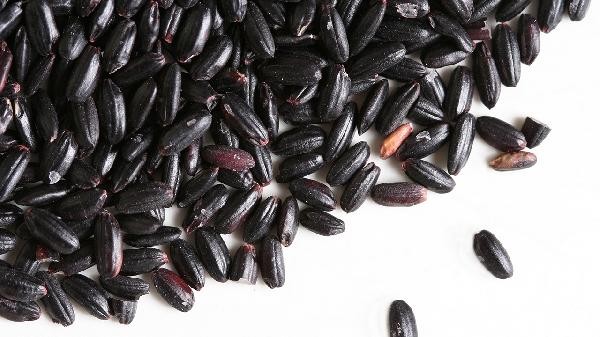
Black rice is wrapped in a hard seed coat and contains a lot of dietary fiber. For people with poor gastrointestinal motility, consuming a large amount will increase the burden on the gastrointestinal tract. This group of people has insufficient secretion of digestive enzymes or gastrointestinal motility, making it difficult to completely break down and absorb black rice, which can easily lead to food accumulation and cause symptoms such as bloating, abdominal pain, or indigestion. It is recommended that this group of people cook black rice until it is soft and tender, or mix it into rice paste and try a small amount. If discomfort occurs, stop eating immediately. Daily diet should mainly consist of easily digestible fine grains to avoid aggravating gastrointestinal damage.
2. Inflammatory phase
Patients in the acute phase of gastroenteritis have obvious congestion, edema, and even erosion of the gastrointestinal mucosa, and at this time, the tolerance of the intestine to rough foods is extremely low. The texture of black rice is relatively rough, and after eating, it can cause mechanical friction stimulation on inflamed mucosa, which may exacerbate clinical symptoms such as abdominal pain, diarrhea, or nausea and vomiting, and is not conducive to inflammation resolution and tissue repair. At this stage of treatment, it is usually necessary to follow the doctor's advice to use drugs such as montmorillonite powder, berberine hydrochloride tablets, or omeprazole enteric coated capsules for anti-inflammatory, antidiarrheal, and gastric mucosal protection treatment. The diet should strictly follow the principles of liquid or semi liquid, and black rice and other coarse grains should be temporarily avoided.
3. High blood sugar
Although the glycemic index of black rice is lower than that of white rice, it is still a grain rich in carbohydrates and will be converted into glucose after entering the human body. For the group with unstable blood sugar control or severe diabetes, if a large amount of black rice is taken at will without calculating the total calories, it will still lead to sharp fluctuations in the postprandial blood sugar level, increase the burden of pancreatic islets, and affect the stability of the disease. This group of people must strictly control the portion size when consuming, and eat vegetables and high-quality protein together to slow down sugar absorption. At the same time, they need to use standardized hypoglycemic plans such as metformin tablets, acarbose tablets, or insulin injections under the guidance of a doctor. Do not ignore blood glucose monitoring due to the mistaken belief that coarse grains are harmless.
4. Anemia heavy
Black rice contains components such as phytic acid and tannins, which may combine with iron ions in the digestive tract to form insoluble complexes, thereby interfering with the absorption and utilization of iron by the human body. For patients with severe iron deficiency anemia, the body urgently needs to supplement exogenous iron supplements to correct the anemia state. If black rice is consumed as a staple food in large quantities, it may hinder the absorption efficiency of iron supplements, delay the recovery rate of hemoglobin, and lead to unclear improvement in symptoms such as dizziness and fatigue. Such patients often need to take ferrous sulfate tablets, dextran iron dispersible tablets, or polysaccharide iron complex capsules for treatment. The medication period should be staggered from the time of consuming black rice to prioritize the effectiveness of drug treatment.
5. Patients who have just undergone abdominal surgery or other major surgeries and are in the early stages of recovery, have not fully recovered their physical functions, and their digestive system is relatively fragile. They need to consume high nutrient and easily digestible foods to support wound healing. Black rice, due to its high fiber content and hard texture, can easily cause bloating and even pose a risk of intestinal obstruction when consumed in the early postoperative period, affecting the process of exhaust and defecation, which is not conducive to postoperative recovery. If patients at this stage experience pain or risk of infection, doctors may prescribe medication such as ibuprofen sustained-release capsules and cefepime dispersible tablets as adjunctive treatment. In terms of diet, strict adherence to medical advice should be followed, gradually transitioning from clear fluid to moderate intake of miscellaneous grains such as black rice after gastrointestinal function has fully recovered.
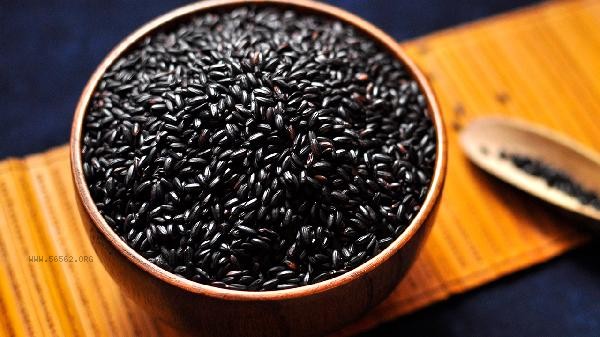
In daily diet, attention should be paid to the diversification and combination of coarse and fine foods. It is best for healthy people to soak black rice for several hours before consumption and fully cook it to improve taste and reduce digestion difficulty. Regardless of one's physical condition, it is not recommended to consume black rice alone for a long time to avoid imbalanced nutrient intake. If there is persistent stomach discomfort, acid reflux, or abnormal bowel movements after consumption, it is necessary to adjust the diet structure in a timely manner and seek medical attention at the hospital to check for potential digestive system diseases. Maintaining a regular daily routine, moderate walking and exercise, can help promote gastrointestinal peristalsis, improve overall digestion and absorption capacity, and maintain physical health.



Comments (0)
Leave a Comment
No comments yet
Be the first to share your thoughts!