
People who do not use their brains usually refer to individuals who lack the habit of active thinking or have strong cognitive inertia, which may be related to personality traits, environmental adaptation, or psychological states.
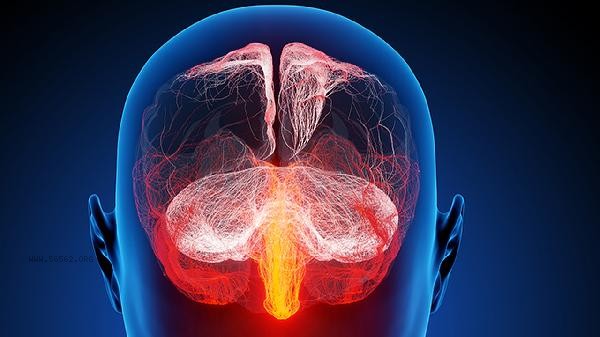
Some people gradually develop thinking inertia due to long-term dependence on external instructions or the habit of passively receiving information. This group of people often avoid complex problems and tend to choose the most labor-saving way to handle affairs. In their work, they perform tasks mechanically without asking for reasons, and in their daily lives, they are prone to blindly following others' opinions. Psychologically, it is called cognitive stinginess, which is related to the brain's energy-saving instinct, but excessive dependence can lead to a decline in analytical ability and creativity. Commonly found in individuals who develop learned helplessness in high-pressure environments, or those who lack independent thinking training during their growth process.

In rare cases, it may be related to pathological factors, such as executive dysfunction caused by impaired frontal lobe function, or delayed thinking accompanied by depression. This group of people not only exhibit unwillingness to think, but also typical symptoms such as inattention and decision-making difficulties, which need to be identified through professional neuropsychological assessment. Some individuals with personality disorders may also exhibit deliberate avoidance of thinking, such as a dependent personality that excessively seeks others' help, and an antisocial personality that intentionally ignores the moral constraints brought about by thinking. Developing habits such as regular reading and writing review can improve thinking inertia, and mandatory lists of pros and cons before major decisions are also effective training methods. If accompanied by symptoms such as memory loss and low mood, it is recommended to go to a psychiatric department for cognitive function screening. In daily life, strategic games such as chess and Sudoku can activate the brain, but it is important to avoid attributing non thinking to laziness, as certain physiological factors require professional intervention.







Comments (0)
Leave a Comment
No comments yet
Be the first to share your thoughts!