
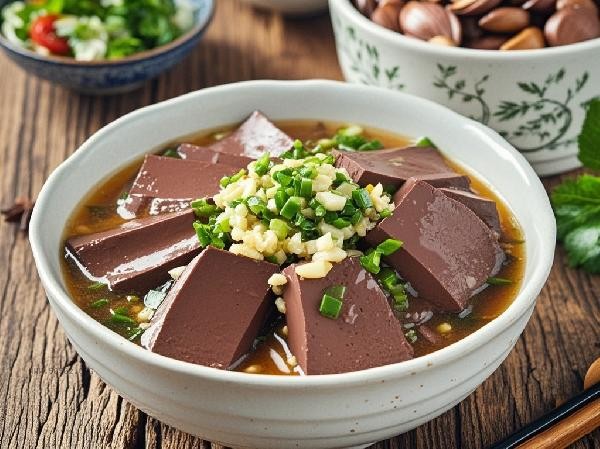
Pig blood is not suitable for everyone to consume, and it is generally not recommended for patients with hypercholesterolemia, gastrointestinal bleeding, animal protein allergies, recent use of anticoagulants, and renal insufficiency.
1. Dyslipidemia
People with hypercholesterolemia or severe hyperlipidemia need to strictly control their cholesterol intake in their diet. Although pig blood is rich in nutrients, it contains a certain amount of cholesterol. Excessive consumption may lead to further increase in the level of lipids in the blood, increase the burden of blood vessels, and increase the risk of atherosclerosis. If this type of population consumes a large amount of pig blood, it may induce cardiovascular accidents. It is recommended to prioritize low-fat and high protein food sources in daily diet, such as soy products or skinless poultry meat, and regularly monitor blood lipid indicators and adjust dietary structure according to medical advice.
2. Digestive bleeding
Patients who are in the acute phase of gastrointestinal bleeding or have active gastric or duodenal ulcers should not consume pig blood. After pig blood enters the gastrointestinal tract, the iron and protein in it may react with stomach acid and blood breakdown products, causing the color of the excrement to turn black, which can interfere with doctors' judgment of whether the bleeding has stopped and mask the true changes in the condition. In addition, rough blood clots may rub against damaged gastrointestinal mucosa, exacerbate bleeding symptoms, and delay wound healing. Therefore, during the onset of such diseases, consumption should be suspended until the condition stabilizes and is evaluated by a doctor before considering recovery.
3. Protein Allergy
People who are allergic to animal protein or specific blood components may experience severe allergic reactions when consuming pig blood. This group of people's immune system will recognize heterologous proteins in pig blood as harmful substances, and then release inflammatory mediators such as histamine, leading to skin redness, itching, urticaria, and even causing respiratory edema, difficulty breathing, or anaphylactic shock. Individuals with a history of food allergies, especially those who are allergic to meat products, must be cautious before trying pig blood. If discomfort occurs due to ingestion, they should immediately stop taking it and seek medical help for anti allergy treatment.
4. During the medication period [SEP], patients who are taking anticoagulant drugs such as warfarin and aspirin or antiplatelet aggregation drugs should pay attention to the intake of pig blood. Pig blood contains abundant vitamin K and iron elements. Vitamin K is a key substance for synthesizing coagulation factors and may antagonize the anticoagulant effect of warfarin, leading to reduced efficacy and increased risk of thrombosis; And excessive intake of iron may also affect the absorption and metabolism of certain drugs. In order to ensure the safety and effectiveness of drug treatment, such patients should maintain a relatively fixed diet during medication and avoid sudden large consumption of pig blood. Specific dietary taboos should be consulted with the attending physician.
5. Renal diseases








Comments (0)
Leave a Comment
No comments yet
Be the first to share your thoughts!