
Brown rice can be consumed in moderation by the general population, but it is generally not recommended for those with weak gastrointestinal function, indigestion, postoperative recovery period patients, mineral deficiency patients, and infants and young children in the growth and development stage.
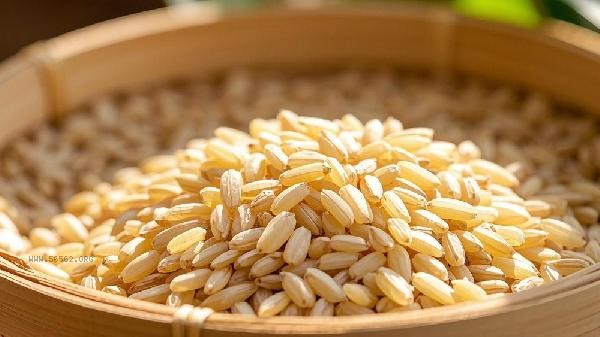
1. Gastrointestinal Weakness
People with weak gastrointestinal function have difficulty effectively breaking down the crude fiber rich in brown rice skin due to the weakened function of the digestive mucosal barrier. Ingestion can easily increase gastrointestinal burden, leading to discomfort symptoms such as bloating, abdominal pain, or diarrhea. If this type of population forcibly consumes it, it may cause acute gastroenteritis or worsen the existing chronic gastritis condition. It is recommended that this group of people prioritize finely processed rice to reduce physical irritation to the digestive tract, and try consuming small amounts of easily digestible food after gastrointestinal function is restored.
2. Digestive disorders
Patients with digestive symptoms have decreased gastric emptying capacity and disrupted intestinal peristalsis rhythm. The higher dietary fiber content in brown rice can further delay gastric emptying time, causing food to linger in the gastrointestinal tract for too long and producing a large amount of gas. This not only fails to provide the expected nutrient absorption, but can also induce severe belching, acid reflux, and abdominal cramps. For such situations, it is necessary to immediately stop consuming high fiber coarse grains and switch to a liquid or semi liquid diet, and follow medical advice to intervene with drugs that promote gastric motility.
3. Postoperative patients
are patients in the recovery period after surgery, whose digestive tract anastomosis or wound has not fully healed, and their tissues are fragile and sensitive. Rough rice texture is relatively hard and rough, and mechanical friction generated during swallowing and digestion may damage unhealed wounds, and even cause serious complications such as bleeding or anastomotic leakage. In addition, postoperative patients are physically weak and have insufficient secretion of digestive enzymes, making it difficult for them to cope with the decomposition needs of high fiber foods. At this stage, it is necessary to strictly follow the doctor's advice to eat a diet without or with minimal residue to ensure smooth wound healing and avoid unnecessary secondary injuries.
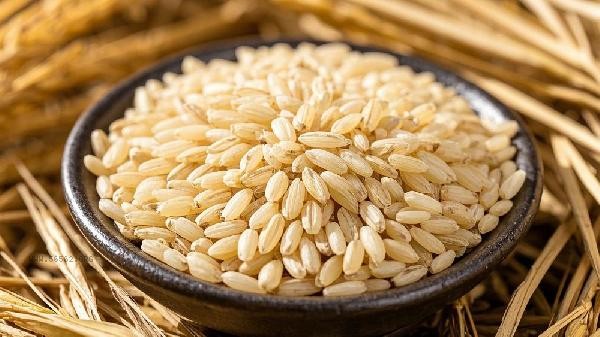
4. Nutrient deficient population
People with mineral deficiencies such as iron, zinc, and calcium should consume brown rice with caution. Brown rice contains a high amount of phytic acid and oxalic acid, which can combine with metal ions in the digestive tract to form insoluble precipitates, thereby hindering the absorption and utilization of essential minerals by the human body. Long term excessive consumption may further worsen existing symptoms such as anemia, osteoporosis, or delayed growth and development. During the correction of trace element deficiency, these patients should mainly consume foods rich in corresponding nutrients and with high absorption rates. If necessary, specific dosage forms of nutritional supplements should be supplemented under the guidance of a doctor.
5. Infants and young children
During their growth and development period, the digestive system of infants and young children is not yet fully developed, their chewing ability is limited, and their gut microbiota structure is unstable. The hard texture of brown rice can easily cause swallowing difficulties and increase the risk of suffocation. At the same time, its high fiber characteristics exceed the tolerance limit of the infant intestine, which can easily cause stubborn constipation or nutrient absorption disorders, affecting normal physical growth and intellectual development. Parents should pay special attention not to feed whole grains or unpolished brown rice to infants. Instead, they should choose Rice noodles or other digestible complementary foods specially designed for infants to ensure safe and effective nutrition supply.
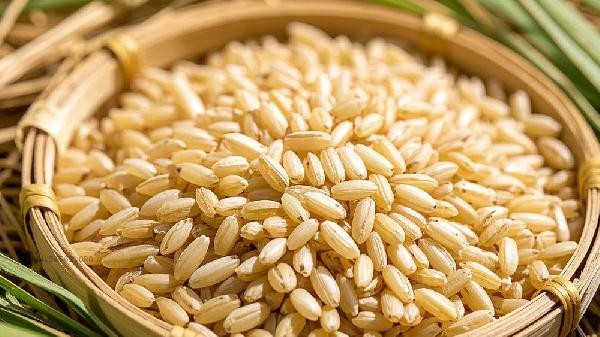
In daily diet, it is important to choose appropriate ingredients based on individual physical condition. For those who are not suitable for consuming brown rice, it can be combined with other soft and tender ingredients to ensure a balanced nutrition. It is recommended to maintain regular sleep habits, avoid overeating, and take appropriate walks and exercise to promote gastrointestinal peristalsis. If you experience persistent digestive discomfort or malnutrition symptoms, you should promptly seek medical attention at a formal medical institution. Professional doctors should assess your physical condition and develop personalized dietary adjustment plans. Do not blindly follow the trend of consuming coarse grains and harm your health.








Comments (0)
Leave a Comment
No comments yet
Be the first to share your thoughts!