
Both purple sweet potatoes and sweet potatoes are helpful for weight loss, but purple sweet potatoes are usually more suitable for weight loss due to their higher anthocyanin content and lower glycemic index. Both are rich in dietary fiber, which can increase satiety and promote gastrointestinal motility. The antioxidant component anthocyanins in purple sweet potatoes can help reduce free radicals in the body and indirectly assist in metabolic regulation. Its glycemic index is about 55, lower than the 70 of sweet potatoes, which is more conducive to controlling postprandial blood sugar fluctuations. Sweet potatoes have a prominent content of beta carotene, which can be converted into vitamin A in the body, but their carbohydrate content is slightly higher. The two have similar calories, with approximately 90-110 calories per 100 grams. However, purple sweet potatoes have a dietary fiber content about 10% higher than sweet potatoes, and their effect on prolonging gastric emptying time is more significant. From the perspective of cooking methods, steaming can maximize the preservation of the nutritional value of both, avoiding high calorie practices such as frying or adding sugar. The deep purple flesh of purple sweet potatoes contains more polyphenols, which may affect fat metabolism by regulating gut microbiota. The carotenoids in the orange yellow flesh of sweet potatoes have anti-inflammatory properties, but their direct impact on weight loss is relatively weak. Both are suitable as substitutes for refined staple foods, but purple sweet potatoes have more advantages in delaying hunger and stabilizing blood sugar.
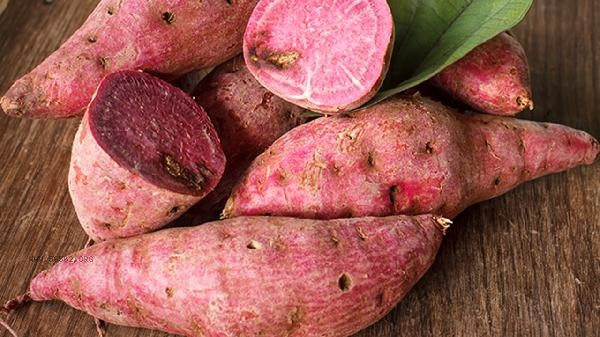
It is recommended to limit the daily intake of purple sweet potatoes or sweet potatoes as a staple food substitute to less than 200 grams, and pair them with high-quality protein and green leafy vegetables. People who are allergic to potatoes should avoid consumption, and those with weak gastrointestinal function should reduce their intake appropriately to prevent bloating. During the weight loss period, it is still necessary to maintain a balanced diet and regular exercise, and not rely solely on one type of food.






Comments (0)
Leave a Comment
No comments yet
Be the first to share your thoughts!