
The weight loss effects of skipping rope and running vary from person to person, and should be selected based on exercise intensity, personal physical fitness, and joint adaptability. Jumping rope has a higher fat burning efficiency per unit time, while running is more suitable for long-term aerobic endurance training.

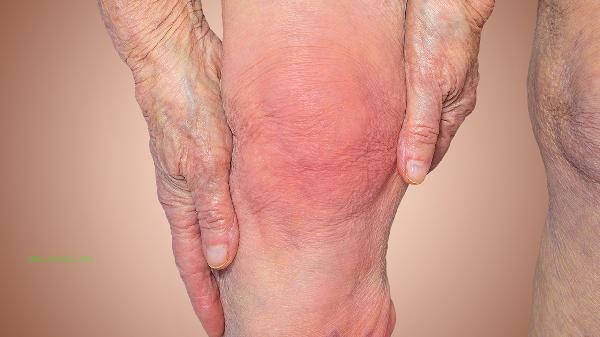
Skipping rope is a high-intensity intermittent exercise that can quickly increase heart rate and maintain afterburning effect. 10 minutes of skipping rope burns about the same amount of calories as 30 minutes of jogging. It requires high explosive power in the lower limbs and can simultaneously exercise the calf muscle group and core stability. However, caution should be exercised for those with high knee joint pressure, large body weight, or meniscus injury. Running belongs to moderate to low-intensity steady-state aerobic exercise, which is more suitable for cultivating exercise habits. Slow jogging can consume 400-600 calories per hour, and has a significant effect on improving cardiovascular function. The risk of sports injuries is relatively controllable, and it can adapt to different physical fitness levels by adjusting pace and running posture.

Jump rope has low requirements for the field and equipment, but high standards for movement. Incorrect posture can easily lead to tendinitis. Running is greatly affected by weather and air quality, but indoor exercise can be achieved through a treadmill. The combination of the two can avoid a single exercise bottleneck period. It is recommended to alternate every other day and maintain exercise intensity within the range of 60% -80% of maximum heart rate in conjunction with heart rate monitoring. Regardless of the method chosen, the core of weight loss lies in continuously creating a calorie deficit. It is recommended to exercise 4-5 times a week, and each skipping rope can be divided into multiple groups (each time not exceeding 5 minutes). The running time should be controlled at 30-50 minutes. Timely replenish water and high-quality protein after exercise, and avoid a high sugar diet that offsets the exercise effect. The recommended rate of weight loss is 0.5-1 kilogram per week, as losing weight too quickly can lead to skin sagging and a decrease in metabolic rate.








Comments (0)
Leave a Comment
No comments yet
Be the first to share your thoughts!