
Thyroid examination can usually be done through endocrinology or thyroid surgery. The thyroid gland is an important endocrine organ in the human body, and its functional abnormalities or structural problems need to be selected according to specific symptoms and examination purposes. If it is for evaluating thyroid function such as hyperthyroidism or hypothyroidism, or conducting routine physical examinations, it is recommended to prioritize enrolling in an endocrinology department. If thyroid nodules or masses have been found or require surgical treatment, thyroid surgery or general surgery should be performed. The endocrinology department mainly deals with thyroid function related diseases. When symptoms of hyperthyroidism such as palpitations, hand tremors, fear of heat, excessive sweating, overeating but weight loss occur, or when symptoms of hypothyroidism such as fatigue, fear of cold, weight gain, and memory loss occur, endocrinologists will test thyroid function through blood tests, including thyroid stimulating hormone, free triiodothyronine, free thyroxine, and thyroid autoantibodies, to determine if there are functional abnormalities. In addition, the endocrinology department is also responsible for the diagnosis and medication treatment of thyroiditis, such as Hashimoto's thyroiditis. Doctors will develop corresponding treatment plans based on the examination results, such as using drugs such as methimazole tablets and propylthiouracil tablets to control hyperthyroidism, or using levothyroxine sodium tablets to supplement thyroid hormones to treat hypothyroidism. Thyroid surgery focuses on the diagnosis and surgical management of thyroid structural abnormalities. If a thyroid nodule is found during a physical examination, or if a lump is felt in the neck, accompanied by symptoms such as swallowing discomfort, hoarseness, and difficulty breathing, one should seek medical attention at a thyroid surgery department. Doctors will evaluate the size, shape, boundaries, blood flow signals, and presence of calcification of nodules through thyroid ultrasound examination. If necessary, fine needle aspiration biopsy will also be performed to clarify the nature of the nodules. For nodules diagnosed with thyroid cancer or highly suspected malignancy, as well as benign nodules with large volume causing compression symptoms, surgeons will evaluate surgical indications and may perform subtotal thyroidectomy or total thyroidectomy. Some hospitals also have thyroid and breast surgery or head and neck surgery, which can also handle structural issues of the thyroid gland.
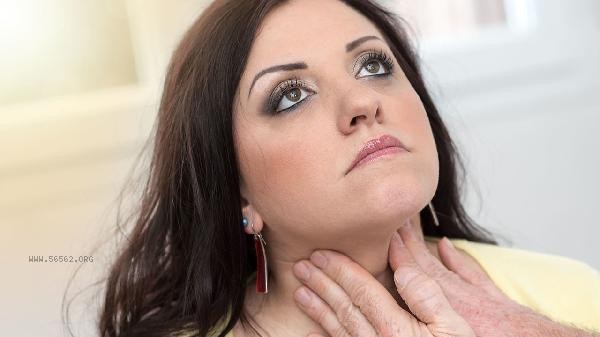
It is recommended to keep the neck relaxed and avoid wearing high necked clothing before seeking medical attention. If you are taking medication that affects thyroid function, such as amiodarone, lithium supplements, etc., you should inform your doctor in advance. In daily diet, patients with hyperthyroidism should limit their intake of iodine and avoid consuming iodine rich foods such as seaweed and seaweed; Patients with hypothyroidism need to adjust their iodine intake according to the cause and follow medical advice. Maintaining a regular schedule and good mood can also help maintain thyroid health.








Comments (0)
Leave a Comment
No comments yet
Be the first to share your thoughts!