
The routine physical examination for women usually includes physical examination, blood routine, urine routine, gynecological examination, breast examination, abdominal ultrasound, electrocardiogram, cervical cancer screening and other items. These checks help assess physical health status and promptly detect potential diseases or health hazards.
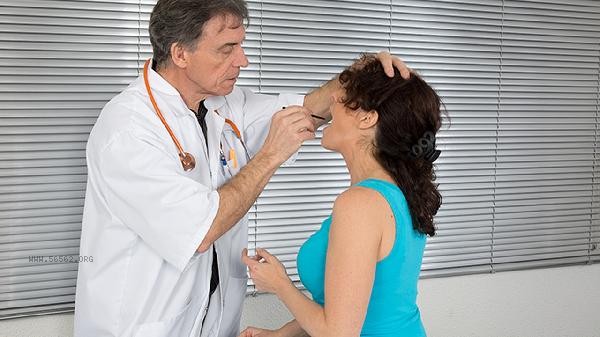
1. Physical examination
Physical examination includes measuring basic physiological indicators such as height, weight, blood pressure, etc. Doctors evaluate the basic condition of cardiovascular function, nervous system, and skeletal system through visual examination, palpation, percussion, auscultation, and other methods. Physical examination can detect common health problems such as obesity and hypertension.
2. Blood routine examination
Blood routine examination can understand indicators such as red blood cells, white blood cells, and platelets in the blood, helping to detect anemia, infections, or blood system diseases. Common examination items include hemoglobin concentration, white blood cell count and classification, platelet count, etc.
3. Urine routine examination
Urine routine examination evaluates the health status of the urinary system by detecting indicators such as protein, sugar, red blood cells, and white blood cells in urine. This examination can help detect problems such as urinary tract infection, kidney disease or diabetes.

4. Gynecological examination
Gynecological examination includes examination of the external genitalia, vagina, cervix, and uterus. Doctors use specialized instruments for vaginal colposcopy examination, and may also collect cervical cells for Pap smear examination. These examinations are particularly important for early detection of gynecological inflammation and precancerous lesions of the cervix.
5. Breast examination
Breast examination usually includes clinical breast examination and imaging examination. Doctors use palpation to determine if there is a lump in the breast and recommend that women over 40 years old undergo regular mammography screening. Breast examination is helpful for early detection of breast hyperplasia, breast fibroma and breast cancer.

It is recommended that women undergo a routine physical examination once a year and adjust the examination items appropriately based on age and risk factors. Women aged 20-39 should focus on screening their reproductive system and breast health, while women over 40 years old need to increase bone density and tumor marker testing. Maintaining a balanced diet, moderate exercise, and regular daily routine in daily life can help maintain good physical health. When any discomfort symptoms occur, seek medical attention promptly and do not rely solely on physical examination results to determine health status.








Comments (0)
Leave a Comment
No comments yet
Be the first to share your thoughts!