
During the confinement period, it is recommended to consume vegetables such as broccoli, spinach, carrots, tomatoes, lotus roots, etc. in moderation, which can help supplement vitamins and dietary fiber and promote physical recovery.

1. broccoli
broccoli is rich in vitamin C and high-quality protein, which helps enhance maternal immunity and promote wound healing. The dietary fiber it contains can help alleviate common postpartum constipation problems. It is recommended to steam or stir fry before consumption to avoid excessive cooking and loss of nutrients. For pregnant women with weak gastrointestinal function, broccoli should be boiled until soft and tender before consumption to reduce digestive burden. At the same time, attention should be paid to moderation to avoid excessive bloating and discomfort.
2. Spinach
Spinach is rich in iron and folate, which have a good auxiliary effect on anemia caused by postpartum blood loss and help with hemoglobin synthesis. Vitamin K can promote coagulation function and facilitate body repair after lochia is eliminated. Before consumption, it is necessary to blanch to remove most of the oxalic acid and prevent it from affecting calcium absorption. Suggest cooking with high-quality protein rich foods such as lean meat or eggs to enhance nutrient absorption.
3. Carrots
Carrots are a good source of beta carotene, which can be converted into vitamin A in the body, helping to maintain visual health and the integrity of the skin and mucous membranes, and preventing postpartum skin dryness. It is mild in nature and has the effect of invigorating the spleen and promoting digestion, making it suitable for most postpartum women to consume. It is recommended to stir fry or stew soup with a small amount of oil during cooking, as beta carotene is a fat soluble vitamin that is more conducive to absorption and utilization by the human body when combined with oil, thus better exerting its nutritional value.
4. Tomatoes
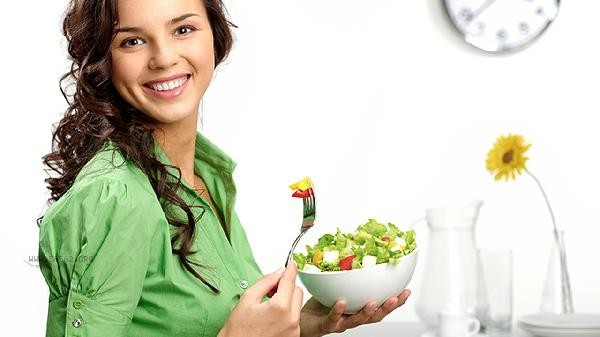
Tomatoes contain a large amount of lycopene and vitamin C, which have strong antioxidant effects and can help eliminate free radicals in the body, delay aging, and promote tissue repair. Its sour and sweet taste can also enhance the appetite of postpartum women and alleviate possible poor appetite after childbirth. When consumed, it can be eaten raw or cooked, but for those with spleen and stomach deficiency and cold, it is recommended to cook before consumption to avoid stimulating the gastrointestinal tract with raw and cold food. At the same time, it is important to choose fresh and ripe fruits and avoid consuming unripe green fruits.
5. Lotus Root
Lotus root is rich in starch, vitamins, and minerals, and has the effects of clearing heat, cooling blood, strengthening the spleen, and stimulating appetite. It is very suitable for consumption in the early postpartum period, helping to dissipate congestion and promote the discharge of lochia. The dietary fiber in it can promote intestinal peristalsis and prevent constipation. When making, it can be made into lotus root and pork rib soup or stir fried lotus root slices, which are both delicious and nutritious. It should be noted that pregnant women with lotus roots that are cool in nature, extremely weak and cold in constitution, or have loose stools should control their consumption or cook them together with ginger and other isothermal ingredients.

Pregnant women should pay attention to food diversification in their daily diet to ensure nutritional balance. In addition to moderate intake of the above-mentioned vegetables and fruits, they should also be paired with sufficient high-quality protein such as fish, poultry, eggs, lean meat, etc. to meet the needs of breastfeeding and body recovery. At the same time, it is important to maintain good sleep habits, avoid excessive fatigue, and engage in postpartum rehabilitation exercises such as Kegel exercises or walking according to the body's recovery status to promote pelvic floor muscle recovery and blood circulation. If you experience any physical discomfort or abnormal symptoms, you should seek the help of a professional doctor in a timely manner. Do not blindly supplement or use medication on your own to ensure the health of both mother and baby.



Comments (0)
Leave a Comment
No comments yet
Be the first to share your thoughts!