
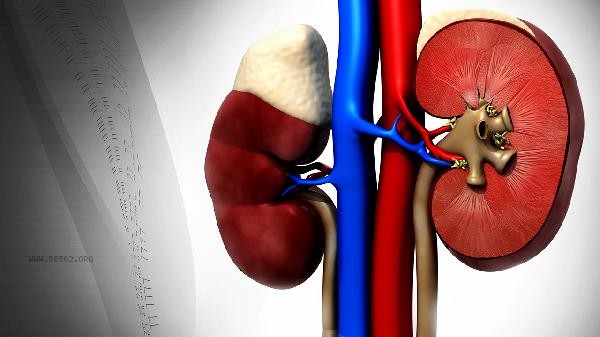
If patients with high creatinine have abnormal kidney function, they can eat appropriate amounts of foods such as broccoli, winter melon, apples, egg white, fish, etc. They can also follow the doctor's advice to use drugs such as Urinary Toxin Clear Granules, Haikun Kidney Joy Capsules, Medicinal Charcoal Tablets, Compound Alpha Ketone Acid Tablets, Aldehyde Oxygen Starch Capsules, etc. It is recommended to seek medical attention promptly, receive standardized treatment under the guidance of a doctor, and adjust diet accordingly.
1. broccoli
broccoli is rich in vitamin C and dietary fiber, which helps to enhance the body's immunity and promote the elimination of metabolic waste. For individuals with high creatinine levels and mild renal dysfunction, moderate consumption of broccoli can reduce the burden on the kidneys, and its low protein properties are in line with the dietary principles for kidney disease. When consuming, it is recommended to steam or boil it in water, avoid deep frying or cooking methods that add seasoning, in order to preserve nutrients and reduce sodium intake.
2. Winter melon
Winter melon has a diuretic and anti-inflammatory effect, which can help eliminate excess water and some toxins in the body through urine, and has a certain relief effect on edema symptoms caused by high creatinine. Winter melon has a relatively low potassium content and is suitable for patients with renal insufficiency who need to control blood potassium. Daily soup or stir fry can be used, but it is important to note that if severe oliguria or anuria occurs, water intake and soup intake should be limited.
3. Apples
Apples are rich in pectin and vitamins, which can regulate intestinal function, promote the excretion of toxins from the digestive tract, and indirectly assist in reducing blood creatinine levels. Apples are low potassium fruits and are suitable for most patients with high creatinine levels to consume as an extra meal. It is recommended to consume a medium-sized apple daily and avoid consuming it in large quantities on an empty stomach to prevent gastrointestinal discomfort or blood sugar fluctuations.
4. Egg White
Egg white is an important source of high-quality protein, with an amino acid composition close to human needs, high bioavailability, and minimal metabolic waste generated. Patients with high creatinine often need to limit their total protein intake and choose egg white as a substitute for some red meat or whole eggs, which can reduce the burden of kidney filtration while ensuring nutrition. When cooking, it is advisable to use steamed egg custard or boiled water to avoid frying.
Five, Fish
Fish is rich in unsaturated fatty acids and high-quality protein, which can help improve blood lipid metabolism and protect cardiovascular health. This is particularly important for patients with high creatinine who also have hypertension or arteriosclerosis. Recommend choosing freshwater or deep-sea fish such as sea bass and cod, as their meat is delicate and easy to digest. When consuming, it is necessary to control the total amount and avoid excessive intake that can worsen azotemia. It is essential to follow an individualized dietary plan.
6. Urinary toxin clearing granules
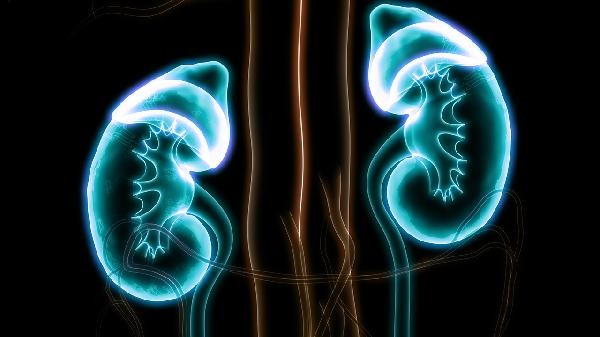
Urinary toxin clearing granules are mainly used for the elevation of creatinine caused by chronic renal failure, and have the effects of clearing the organs, reducing turbidity, strengthening the spleen and removing dampness. This medicine can promote intestinal detoxification, reduce blood urea nitrogen and creatinine levels, and is suitable for patients with spleen kidney deficiency and dampness turbidity syndrome. Before use, it is necessary to undergo diagnosis and treatment by a traditional Chinese medicine practitioner to confirm that the physical condition is suitable before taking it. Long term abuse is not allowed on one's own.
Seven, Haikun Shenxi Capsules
The main component of Haikun Shenxi Capsules is brown algae polysaccharide sulfate, which has the effect of adsorbing toxins and inhibiting renal fibrosis. It is commonly used for creatinine elevation caused by chronic kidney disease. It can improve glomerular filtration function, delay disease progression, and is particularly suitable for patients with early to mid stage renal dysfunction. During medication, regular monitoring of renal function indicators should be conducted to observe for any allergic reactions or other adverse reactions.
Eighth, Medicinal Charcoal Tablets
Medicinal charcoal tablets are an adsorbent that can bind various toxins and metabolites in the intestine, preventing them from being reabsorbed and reducing blood creatinine concentration. This drug is commonly used as an adjuvant therapy for acute or chronic renal insufficiency, with high safety. However, due to its potential impact on the absorption of other drugs, it should be taken at least two hours apart from other drugs, and the specific usage should be guided by a doctor.
Nine, Compound Alpha Ketoacid Tablets
Compound alpha ketoacid tablets can provide precursor substances of essential amino acids, supplement nutrition under low protein diet conditions, reduce the generation of nitrogen-containing waste, and effectively control and slow down creatinine levels. This medicine is particularly suitable for patients with chronic kidney disease who require strict restriction of protein intake. It must be used in conjunction with a specific dietary plan under the guidance of a nutritionist or nephrologist to achieve optimal therapeutic effects.
10. Aldehyde coated starch capsules
Aldehyde coated starch capsules can combine with urea nitrogen in the intestine to form non-toxic substances that are excreted with feces, thereby reducing the levels of creatinine and urea nitrogen in the blood. It is suitable for high creatinine levels caused by chronic renal insufficiency due to various reasons. During use, attention should be paid to monitoring electrolyte balance to prevent malnutrition or trace element deficiency caused by excessive adsorption. Patients with high creatinine levels should maintain a regular daily routine, avoid staying up late and overexertion, and engage in appropriate activities such as walking, Tai Chi, and exercise to enhance their physical fitness. We should adhere to the principles of low salt, low fat, high-quality, and low protein in our diet, and strictly control the intake of soy products, animal organs, and high purine foods. At the same time, close monitoring of blood pressure, blood sugar, and weight changes is necessary to prevent infections and avoid the use of nephrotoxic drugs such as nonsteroidal anti-inflammatory drugs. Once symptoms such as fatigue, nausea, and swelling worsen, one should immediately seek medical attention in the nephrology department of a hospital for professional evaluation and intervention. Do not delay the condition or blindly try folk remedies.








Comments (0)
Leave a Comment
No comments yet
Be the first to share your thoughts!