
To protect and nourish the liver, one can eat appropriate amounts of foods such as broccoli, carrots, blueberries, walnuts, green tea, etc. They can also follow the doctor's advice to use medications such as silibinin capsules, compound glycyrrhizin tablets, polyene phosphatidylcholine capsules, bicyclic acid tablets, reduced glutathione tablets, etc.
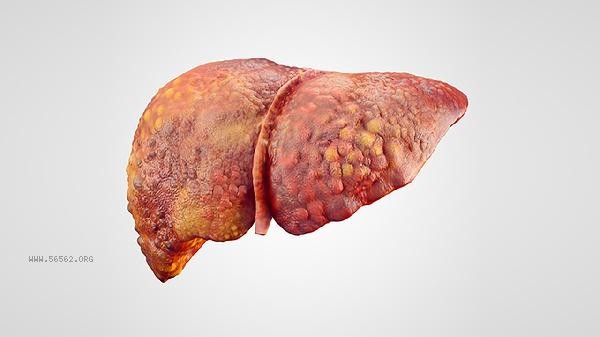
1. Food
1. broccoli
broccoli is rich in vitamin C and dietary fiber, which helps enhance the liver's detoxification ability and promote the elimination of toxins from the body. The sulforaphane it contains can activate detoxifying enzymes in the liver and has a certain auxiliary protective effect on chemical liver damage. It is suitable to add it in moderation to daily diet to maintain liver health.
2. Carrots
Carrots are rich in beta carotene, which can be converted into vitamin A in the body and help maintain the integrity of liver cell structure. Vitamin A can also prevent liver cell aging. For people who use their eyes excessively for a long time or have weak liver function, consuming carrots can have a good nourishing effect.
3. Blueberries
Blueberries are rich in antioxidants such as anthocyanins, which can clear free radicals and reduce oxidative stress damage to liver cells. Regular consumption of blueberries can help improve liver microcirculation, enhance liver metabolic function, and have a positive impact on preventing fatty liver and delaying liver aging.
4. Walnuts
Walnuts contain high-quality protein and unsaturated fatty acids, which can provide necessary nutritional materials for liver repair. The arginine in it helps in the detoxification process of ammonia, reducing the burden on the liver. Moderate consumption of walnuts can assist in improving liver function, but attention should be paid to controlling intake to avoid excessive oil.
5. Green Tea
The tea polyphenols in green tea have significant anti-inflammatory and antioxidant effects, which can inhibit liver inflammation and reduce fat accumulation in the liver. Daily consumption of green tea can help reduce transaminase levels and protect liver cell membranes, making it a simple and easy choice for liver protection drinks.
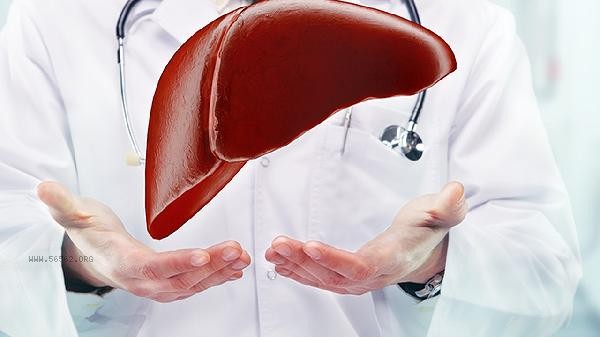
2. Medication
1. Silymarin Capsules
Silymarin capsules are mainly used to treat chronic hepatitis and early cirrhosis, which can help stabilize the liver cell membrane and promote liver cell regeneration. This medicine is suitable for liver damage caused by alcohol, drugs, or chemicals, and should be used according to the prescribed conditions under the guidance of a doctor.
2. Compound Glycyrrhetinic Acid Glycoside Tablets
Compound Glycyrrhetinic Acid Glycoside Tablets have anti-inflammatory, liver cell membrane protective, and liver function improving effects, and are commonly used to treat transaminase elevation caused by chronic liver disease. For liver disease patients with immune regulation needs, this drug can effectively alleviate liver inflammation and should be taken according to medical advice.
3. Polyene Phosphatidylcholine Capsules
Polyene Phosphatidylcholine Capsules can supplement the phospholipid components required by liver cell membranes, accelerate liver tissue regeneration, and improve lipid metabolism. It is widely used as an adjuvant therapy for various types of liver diseases, including fatty liver and toxic liver injury, to help restore normal physiological function of the liver.
4. Bicyclic Alcohol Tablets
Bicyclic alcohol tablets are mainly used to reduce serum transaminase and are suitable for the elevation of aminotransferase caused by chronic hepatitis. Its mechanism involves anti-inflammatory and liver cell protection, which can effectively improve liver function indicators. Patients should determine whether to use this drug after evaluation by a professional physician.
5. Reduced Glutathione Tablets
Reduced Glutathione Tablets participate in the tricarboxylic acid cycle and glucose metabolism in the body, activate various enzymes, and promote carbohydrate, fat, and protein metabolism. This medicine is commonly used as an adjuvant therapy for drug-induced liver injury, alcoholic liver disease, and heavy metal poisoning, and should be strictly used according to medical advice.
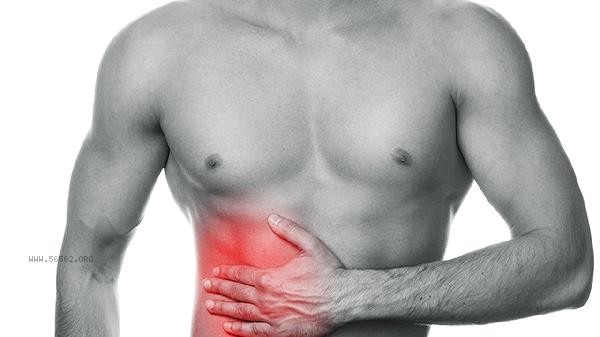
Daily liver protection and nourishment should maintain a regular sleep schedule, avoid staying up late and fatigue, and ensure that the liver receives sufficient rest and repair. In terms of diet, it is necessary to have a balanced intake of vegetables and fruits, limit high-fat and high sugar foods, quit smoking and limit alcohol consumption to reduce the metabolic burden on the liver. It is also recommended to engage in moderate aerobic exercise such as jogging or swimming to enhance physical fitness and promote metabolism. If symptoms such as fatigue, decreased appetite, or jaundice occur, it is necessary to seek medical attention promptly. Do not blindly take medication on your own. All medication treatments must be carried out under the guidance of professional physicians, and liver function should be regularly checked to monitor health status.








Comments (0)
Leave a Comment
No comments yet
Be the first to share your thoughts!