
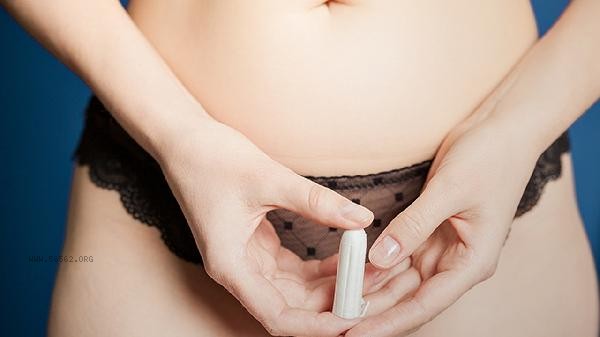
Eating red dates, longan, spinach, lean meat, eggs and other foods in moderation during menstruation can help supplement nutrition and alleviate discomfort; If dysmenorrhea is severe or menstrual flow is abnormal, medication such as ibuprofen sustained-release capsules, naproxen sodium tablets, diclofenac sodium sustained-release tablets, Yuanhu painkillers, Yimucao granules, etc. can be used according to medical advice.
1. Red dates
Red dates are rich in iron and vitamin C, which help promote hemoglobin synthesis and improve pale complexion and fatigue caused by blood loss during menstruation. The cyclic adenosine monophosphate it contains can regulate cellular metabolism and help alleviate menstrual mood swings. When eating, it is recommended to cook Congee or soak in water to avoid gastrointestinal flatulence caused by raw food. It is OK to take an appropriate amount every day. Excessive consumption may cause blood sugar fluctuation or indigestion.
2. Longan
Longan has the effects of nourishing the heart and spleen, nourishing the blood and calming the mind, and is suitable for women who experience palpitations, insomnia, and mental fatigue during menstruation. The glucose and sucrose it contains can quickly provide energy and alleviate dizziness symptoms caused by low blood sugar during menstruation. However, women with a warm nature, hot constitution, or excessive menstrual flow should reduce their consumption of longan to avoid worsening bleeding or causing symptoms of excessive internal heat. It is recommended to eat it with a light diet.
III. Spinach
Spinach is rich in folate, iron, and dietary fiber, which can effectively prevent menstrual anemia and promote intestinal peristalsis, relieving common constipation problems during menstruation. The magnesium element in it helps to relax the smooth muscle of the uterus and alleviate the degree of dysmenorrhea. When cooking, blanch to remove oxalic acid to avoid affecting calcium absorption. It can be paired with tofu or lean meat to improve nutrient utilization, but should not be consumed in large quantities with high calcium foods.
4. Lean Meat
Lean meat is a good source of high-quality protein and heme iron, which can help repair damaged tissue cells during menstruation and enhance the body's immunity. The vitamin B12 it contains is involved in red blood cell production and is crucial for maintaining normal hematopoietic function. Choose low-fat parts such as pork tenderloin or cow tendon, and use clear stewing or steaming methods to avoid frying and increasing digestion burden. Consuming an appropriate amount daily during menstruation can meet the needs.
5. Eggs
Eggs contain comprehensive amino acids and phospholipids, which can provide essential nutrients for menstrual recovery. The vitamin D and calcium in them help alleviate muscle spasms and pain. Boiled eggs or steamed egg custard are easier to digest and absorb, avoiding frying that can cause excessive oil and stimulate the gastrointestinal tract. Protein allergy sufferers should avoid using it. It is recommended for the general population to consume one per day, and it is more effective when combined with vegetables and fruits.

6. Ibuprofen sustained-release capsules
Ibuprofen sustained-release capsules are suitable for relieving primary dysmenorrhea caused by excessive secretion of prostaglandins. They reduce the production of inflammatory mediators by inhibiting cyclooxygenase, thereby alleviating uterine contraction pain. This medicine is effective for periodic lower abdominal pain caused by non organic lesions, often accompanied by symptoms such as lower back pain and nausea. It should be used under the guidance of a doctor and should not be taken on its own for a long time. Patients with gastric ulcers should use it with caution.
Seven, Naproxen Sodium Tablets
Naproxen sodium tablets are mainly used to treat moderate to severe dysmenorrhea, especially for menstrual syndrome accompanied by obvious headache or joint pain. Its mechanism of action is to block the pain signal transduction pathway and quickly relieve spastic abdominal pain. There is also some adjuvant therapy for dysmenorrhea secondary to endometriosis, usually manifested as progressively worsening pelvic pain. Patients with renal insufficiency need to adjust their dosage and must follow medical advice when taking medication.
8. Diclofenac Sodium Sustained release Tablets
Diclofenac sodium sustained-release tablets have significant effects on severe dysmenorrhea and accompanying systemic inflammatory reactions, and are commonly used to treat secondary dysmenorrhea caused by pelvic inflammatory disease and other diseases. This medicine can reduce local tissue edema, improve lower abdominal distension and pain caused by congestion, and often be accompanied by increased vaginal discharge or fever symptoms. Long term use requires monitoring of liver function. Patients with a history of gastrointestinal bleeding are prohibited from using it and must obtain a prescription after evaluation by a physician.
IX. Yuanhu Analgesic Tablets
Yuanhu Analgesic Tablets belong to traditional Chinese patent medicines and simple preparations, and are suitable for dysmenorrhea of qi stagnation and blood stasis type, which is characterized by breast swelling and pain before menstruation, blood clots in menstruation, etc. Its main component, berberine, has sedative and analgesic effects, can regulate uterine smooth muscle tone, and relieve spastic pain. It also has an auxiliary regulating effect on chronic pelvic pain, but it is not recommended for pregnant women and for those with spleen and stomach deficiency and cold, it should not be taken on an empty stomach and should be treated according to syndrome differentiation.
10. Yimucao Granules
Yimucao granules are specifically designed for menstrual disorders caused by blood stasis, such as poor menstrual flow, low dosage, dark color, or blood clots. Its active ingredient, motherwort alkaloids, can promote uterine contractions, help eliminate uterine residues, and alleviate abdominal pain caused by congestion. It is also helpful for postpartum lochia, but it should be avoided for those with excessive menstruation. It should be temporarily suspended during colds and fever, and should be used reasonably under the guidance of a traditional Chinese medicine practitioner.

During menstruation, one should maintain a regular schedule, avoid staying up late and overworking, and pay attention to keeping the abdomen warm to prevent the invasion of cold pathogens from worsening menstrual pain. In addition to the recommended foods mentioned above, one should also drink more warm water and eat less raw, cold, spicy, and stimulating foods to avoid stimulating the gastrointestinal tract or exacerbating uterine contractions. Moderate walking, yoga, and other gentle exercises can help promote blood circulation and emotional stability. If there is a sudden increase in menstrual flow, prolonged duration, or severe pain that cannot be relieved, one should promptly seek medical attention at the gynecology department of the hospital to rule out the possibility of organic lesions. Do not blindly self medicate to delay the condition.



Comments (0)
Leave a Comment
No comments yet
Be the first to share your thoughts!