
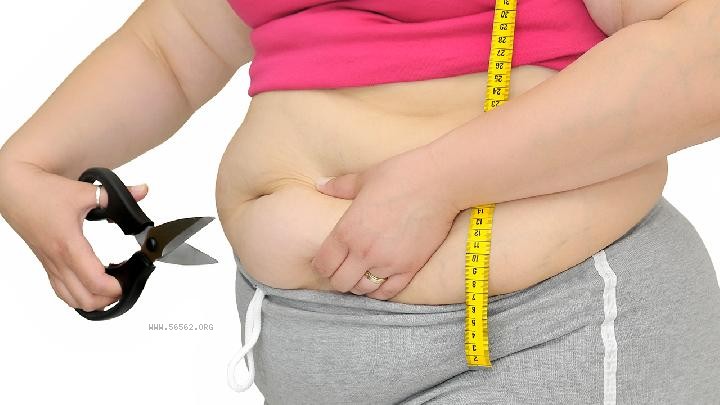
Obesity caused by slow metabolism is a relatively common problem, mainly involving the balance between energy intake and expenditure. To address this issue, it can be improved by adjusting the diet structure, strengthening physical exercise, ensuring sufficient sleep, reducing stress, and avoiding prolonged sitting, in order to achieve weight loss and maintain a healthy weight. It is recommended to seek medical attention promptly and take targeted measures according to different reasons under medical advice.

1. Adjust dietary structure: reduce the intake of high sugar and high-fat foods, such as fried foods, desserts, carbonated drinks, etc. Eat more protein rich foods such as lean meat, fish, soy products, as well as fiber rich vegetables, fruits, and whole grains, which can help increase satiety and promote gastrointestinal motility. Maintaining sufficient water intake can help increase metabolic rate and promote the elimination of waste from the body.
2. Strengthen physical exercise: such as brisk walking, jogging, swimming, cycling, etc. These exercises can increase heart rate, increase the body's demand for oxygen, and promote metabolism. Combining aerobic exercise with moderate strength training can increase muscle mass, which is the main tissue that consumes energy and helps improve basal metabolic rate.
3. Ensure adequate sleep: Maintain a regular sleep schedule and ensure 7-8 hours of high-quality sleep every day. Lack of sleep can affect the body's metabolism and endocrine system, leading to weight gain.
4. Reduce stress: Long term mental stress can lead to hormonal imbalances in the body, affecting metabolism. Learn to relax your body and mind, such as through meditation, yoga, and other methods to relieve stress.
5. Avoid prolonged sitting: For people who need to sit for long periods of time to work, it is important to get up and move around regularly to avoid metabolic decline caused by prolonged sitting. Obesity caused by slow metabolism is a complex problem that requires multiple adjustments to improve.





Comments (0)
Leave a Comment
No comments yet
Be the first to share your thoughts!