
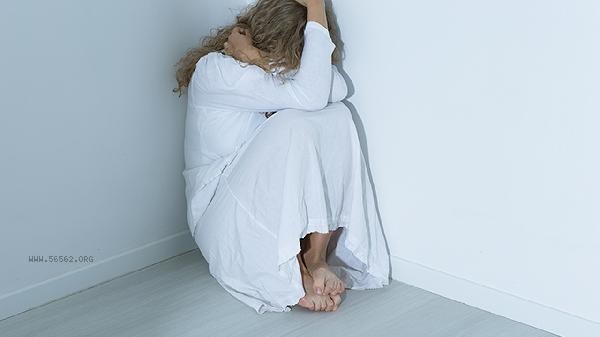
When anxiety and fear are triggered by sudden fright events, they can be alleviated through psychological adjustment, relaxation training, social support, professional intervention, medication assistance, and other methods. This type of reaction is usually associated with factors such as overactivation of stress responses, solidification of traumatic memories, and reinforcement of negative cognition.

1. Psychological adjustment
Reconstructs the interpretation of frightening events through cognitive-behavioral therapy, identifies and corrects catastrophizing thinking. Record the specific feelings and physical reactions when an event occurs, and replace subjective fear and imagination with objective facts. Practice attributing events to specific situations rather than general threats, gradually reducing sensitivity to similar scenarios.
2. Relaxation training
uses abdominal breathing to alleviate acute anxiety attacks. Inhale silently for 4 seconds, hold your breath for 2 seconds, and then exhale slowly for 6 seconds. Progressive muscle relaxation can systematically relieve physical tension by contracting and relaxing muscle groups from toes to face. Mindfulness meditation helps to observe fearful emotions without getting caught up in them, and practicing it at a fixed time every day is more effective.
3. Social support
Detailed description of the event process and feelings with the trusted object, and confession itself has an emotional cathartic effect. Participating in group psychological counseling can provide empathetic support, and observing others' coping styles can broaden problem-solving strategies. Avoiding long-term solitary exposure to fear and relying moderately on social support systems can accelerate recovery.

4. Professional Intervention
For severe symptoms that persist for more than two weeks, psychological counseling should be sought, and post-traumatic stress disorder may require eye movement desensitization therapy. A psychiatrist will evaluate whether to use anti anxiety drugs such as paroxetine or lorazepam for short-term control of acute symptoms. Art therapy and sandplay therapy are suitable for people with language difficulties to release emotions.
5. Medication assisted
sertraline can regulate serotonin levels and improve persistent anxiety. It should be taken according to medical advice for 4-6 weeks to take effect. Buspirone has a relieving effect on physical symptoms associated with fear and is suitable for patients who cannot tolerate sedative effects. Traditional Chinese medicine preparations such as Wuling capsules have auxiliary conditioning effects on mild to moderate anxiety. Maintaining a regular daily routine can help stabilize autonomic nervous system function, and 30 minutes of aerobic exercise per day can promote the secretion of endorphins. Add magnesium rich foods such as dark green vegetables to your diet and avoid excessive intake of irritants. Establishing safety rituals such as fixed schedules or item placement can enhance the sense of environmental control. If there is persistent avoidance behavior or flashback symptoms, it is recommended to seek medical evaluation as soon as possible.






Comments (0)
Leave a Comment
No comments yet
Be the first to share your thoughts!