
The items to be checked for hepatitis A and hepatitis B mainly include hepatitis A antibody, five items of hepatitis B, liver function and liver ultrasound. Hepatitis A and hepatitis B are two different types of viral hepatitis. Hepatitis A is mainly transmitted through the fecal oral route, while hepatitis B is mainly transmitted through blood, mother infant and sexual contact. Both can cause liver inflammation, but the inspection focus is different.

1. Hepatitis A Antibody:
Hepatitis A antibody test is a core indicator for diagnosing hepatitis A, mainly detecting hepatitis A virus IgM and IgG antibodies in the blood. A positive IgM antibody to hepatitis A virus usually indicates recent infection and is an important diagnostic criterion for the acute phase of hepatitis A. A positive IgG antibody to hepatitis A virus indicates previous infection with the virus or vaccination, suggesting that the body has developed protective immunity. If symptoms such as fatigue, decreased appetite, nausea, and yellow urine appear, doctors usually recommend this examination.
2. Five items of hepatitis B:
Five items of hepatitis B are the basic tests for the diagnosis of hepatitis B, including hepatitis B surface antigen, hepatitis B surface antibody, hepatitis B e antigen, hepatitis B e antibody and hepatitis B core antibody. Positive hepatitis B surface antigen indicates the presence of hepatitis B virus in the body, which may be acute or chronic infection. The positive surface antibody of hepatitis B indicates that it has immunity to hepatitis B virus, which is usually seen after vaccination or in the recovery period of infection. If hepatitis B virus infection is suspected or the vaccination effect needs to be evaluated, the doctor will recommend this examination.
3. Liver function:
Liver function tests evaluate whether the liver's metabolism, synthesis, and excretion functions are impaired by detecting indicators such as transaminase, bilirubin, and albumin in the blood. In the case of hepatitis A or hepatitis B infection, the damage of hepatocytes will lead to the increase of transaminase, and the increase of bilirubin may lead to jaundice. Liver function examination is helpful in determining the activity level of hepatitis and the severity of liver damage, and is an important reference for evaluating the condition and guiding treatment.
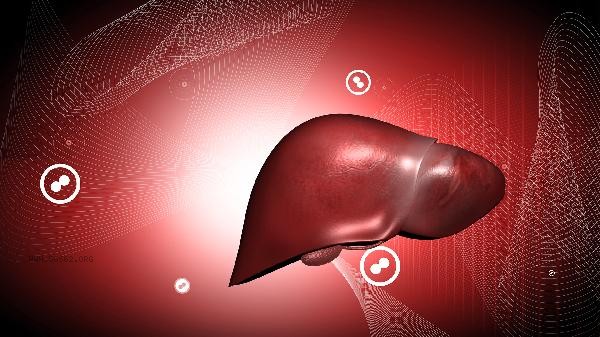
4. Liver ultrasound:
Liver ultrasound examination can visually observe the size, shape, echo, and presence of cirrhosis, fatty liver, or space occupying lesions of the liver. For patients with hepatitis A, ultrasound can help rule out other liver diseases; For patients with hepatitis B, especially those with chronic infection, regular ultrasound examination can monitor whether the liver has fibrosis or early cirrhosis. If the liver function index is abnormal or the hepatitis B virus carrier, the doctor will usually recommend this examination.
5. hepatitis B virus DNA detection:
hepatitis B virus DNA detection is a direct measurement of the genetic material of hepatitis B virus in the blood to determine the active degree of virus replication. If hepatitis B surface antigen is positive, the doctor will recommend this test to determine the viral load, evaluate the infectivity, and decide whether to need antiviral treatment. This test is of great value in judging the progress of hepatitis B and monitoring the therapeutic effect.
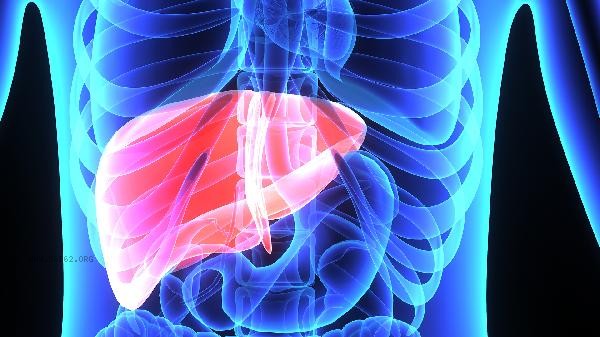
It is recommended that people with suspected hepatitis symptoms or a history of close contact with patients with hepatitis A and hepatitis B should go to the Department of Gastroenterology or Infectious Diseases in time to complete the above examinations under the guidance of doctors. Pay attention to food hygiene in daily life, and avoid eating raw seafood and undercooked meat. Inoculation of hepatitis A and hepatitis B vaccine is the most effective way to prevent these two kinds of hepatitis. Maintaining a regular daily routine, avoiding alcohol consumption and excessive fatigue, can help protect liver health.








Comments (0)
Leave a Comment
No comments yet
Be the first to share your thoughts!