
Rectal prolapse usually requires examinations such as digital rectal examination, anoscopy, defecography, colon transit test, and anorectal pressure measurement. These examinations can help doctors clarify the type and severity of prolapse, as well as whether it is accompanied by other pelvic floor dysfunction.

1. Anal digital examination:
This is the most basic and important examination. Doctors can preliminarily determine the tightness of the anal sphincter, the presence of tumors, and the relaxation of the rectal mucosa by touching the inside of the anus and rectum with their fingers. During the examination, patients may feel slight discomfort, but the process is fast and can directly assess anal function.
2. Anoscopy:
Anoscopy is a tubular instrument with a light source that can visually observe the mucosal state of the lower rectum and anal canal. For mild rectal prolapse or mucosal prolapse, an anoscope can clearly display the degree of mucosal congestion, edema, or relaxation, helping to rule out other diseases such as hemorrhoids and polyps.
3. Fecal imaging:
This is a key imaging examination for diagnosing rectal prolapse. During the examination, the doctor will inject contrast agent into the patient's rectum and then perform dynamic X-ray imaging while simulating bowel movements. Fecal imaging can dynamically display abnormal movement of the rectal wall, the specific location and depth of prolapse, as well as whether there is pelvic floor hernia or rectal protrusion present.
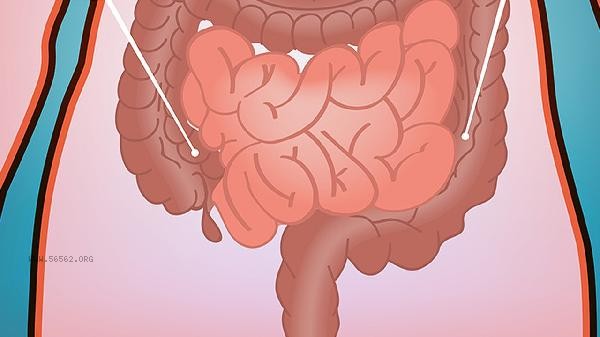
4. Colonic transit test:
Some patients with rectal prolapse have chronic constipation or difficulty in defecation. The colonic transit test evaluates the colonic transit function by administering markers orally to patients and taking abdominal plain films at different time points. This examination helps to determine whether constipation is the cause of prolapse or a result of prolapse.
5. Proctology pressure measurement:
This examination is used to evaluate the functional status of the anal sphincter muscles. Insert a thin tube with a pressure sensor into the anus to measure resting and systolic blood pressure. Patients with rectal prolapse often have sphincter relaxation, and pressure measurement can objectively quantify anal control ability, providing a basis for subsequent treatment plans such as biofeedback training or surgery. The examination for rectal prolapse needs to be selected based on the specific symptoms and signs of the patient. It is recommended that patients seek timely medical attention at a reputable hospital's proctology or gastroenterology department when experiencing prolapse of anal masses, incomplete bowel movements, or anal prolapse and swelling. Daily attention should be paid to maintaining smooth bowel movements, avoiding prolonged squatting and forceful defecation, and doing more anal exercises can help improve pelvic floor muscle function. After diagnosis, actively cooperate with doctors to develop personalized treatment plans. Mild patients can improve through conservative treatment, while severe patients may require surgical intervention.









Comments (0)
Leave a Comment
No comments yet
Be the first to share your thoughts!