
If the heart is uncomfortable, it is usually recommended to undergo electrocardiogram, dynamic electrocardiogram, cardiac ultrasound, coronary CTA, and myocardial enzyme spectrum examination. These tests can help doctors determine whether there are structural, functional, or vascular problems with the heart, thereby identifying the cause.

1. Electrocardiogram:
Electrocardiogram is the basic item of cardiac examination, which can record the electrical activity of the heart. It can help detect the presence of arrhythmia, such as premature beats, atrial fibrillation, etc., and can also preliminarily determine whether there is myocardial ischemia or old myocardial infarction. The non-invasive and rapid examination process is the preferred screening method for heart discomfort.
2. Dynamic electrocardiogram:
Dynamic electrocardiogram can continuously record electrocardiogram signals for 24 hours or longer. For paroxysmal palpitations, chest tightness, or unexplained fainting, routine electrocardiograms may not be able to capture abnormalities, and dynamic electrocardiograms can improve detection rates. It can record the electrical activity of the heart in different states such as daily activities and sleep, helping to diagnose intermittent arrhythmias.
3. Cardiac ultrasound:
Cardiac ultrasound can visually display the structure and function of the heart, including atrial and ventricular size, wall thickness, valve morphology, and movement. It can evaluate the systolic and diastolic function of the heart, and determine whether there are problems such as cardiomyopathy, valve disease, congenital heart disease, or pericardial effusion. For patients with heart enlargement or heart dysfunction, this examination is crucial.
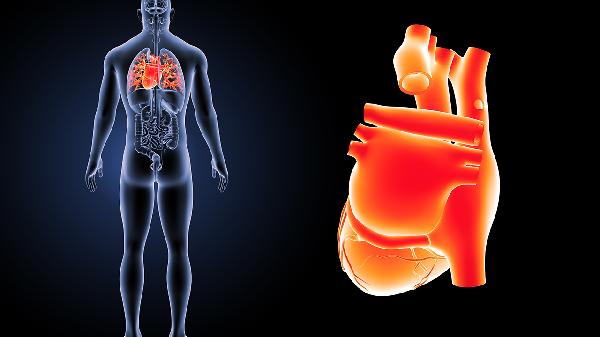
4. Coronary CTA:
Coronary CTA is a non-invasive imaging examination that can clearly display the morphology of coronary arteries and determine the presence of plaques, stenosis, or occlusion. For individuals with chest pain, tightness, and suspected coronary heart disease, this examination can help assess the severity of coronary artery disease and provide a basis for subsequent treatment. Before the examination, medication should be used to control the heart rate based on the heart rate condition.
5. Myocardial enzyme spectrum:
Myocardial enzyme spectrum is the detection of enzymes released into the blood after myocardial cell injury through blood sampling, including troponin, creatine kinase isoenzyme, etc. When acute chest pain and tightness occur, this examination is an important basis for diagnosing acute myocardial infarction. Elevated levels of myocardial enzymes suggest the possibility of myocardial injury or necrosis and require urgent treatment. When heart discomfort occurs, seek medical attention as soon as possible, and the doctor should select the most suitable examination items based on specific symptoms. Pay attention to maintaining a regular daily routine, avoiding excessive fatigue and emotional excitement, following a low salt and low-fat diet, quitting smoking and limiting alcohol consumption, and regularly monitoring blood pressure and blood lipids. If symptoms persist or worsen, do not delay and seek medical attention promptly is key.








Comments (0)
Leave a Comment
No comments yet
Be the first to share your thoughts!