
Early liver cancer usually does not have specific symptoms, and some patients may experience discomfort in the upper right abdomen, decreased appetite, fatigue, and other symptoms. It is recommended to screen through abdominal ultrasound and serum alpha fetoprotein testing. The early symptoms and precursors of liver cancer mainly include dull or bloating pain in the upper right abdomen, loss of appetite and bloating, unexplained weight loss, fatigue and low-grade fever, yellowing of the skin or eyes, etc. The corresponding examination methods include abdominal ultrasound, serum alpha fetoprotein detection, CT scan, magnetic resonance imaging, and liver biopsy.
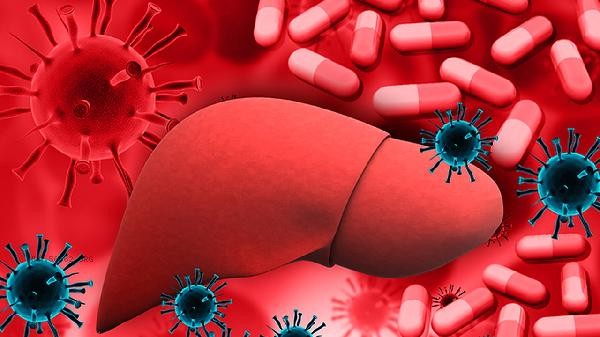
1. Hidden or bloating pain in the upper right abdomen:
The liver is located in the upper right abdomen, and early liver cancer may cause the liver capsule to be pulled, leading to persistent hidden or bloating pain in the upper right abdomen, which may worsen after fatigue. accompanying symptoms may include a hard mass palpable in the abdomen. It is recommended to undergo abdominal ultrasound examination, which is a non-invasive and convenient imaging method that can preliminarily observe whether there are space occupying lesions in the liver. If suspicious nodules are detected by ultrasound, doctors may recommend further enhanced CT scans to confirm the diagnosis.
2. Loss of appetite and bloating:
The liver is an important digestive organ, and early liver cancer can affect bile secretion and metabolic function, leading to decreased appetite, postprandial fullness, or nausea in patients. These symptoms are easily mistaken for common stomach diseases. Accompanying symptoms may include aversion to greasy foods. At this time, serum alpha fetoprotein testing is an important screening method. Alpha fetoprotein is a tumor marker that is often significantly elevated in liver cancer patients. It is recommended to perform abdominal ultrasound examination simultaneously to rule out liver lesions.
3. Unexplained weight loss:
Tumor growth consumes a large amount of energy in the body and affects nutrient absorption, leading to significant weight loss in patients without deliberate weight loss. Accompanying symptoms may include general fatigue and easy fatigue. It is recommended to undergo magnetic resonance imaging examination, which has a higher resolution for soft tissue and can more clearly display small lesions in the liver, helping doctors evaluate the size and location of tumors.
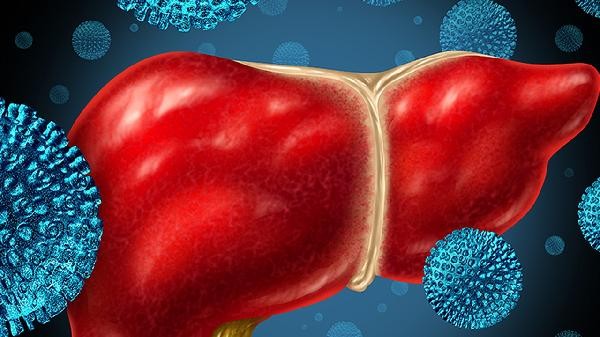
4. Fatigue and low-grade fever:
Liver cancer cells release some thermogenic substances, while liver function is impaired, leading to metabolic disorders, which may cause patients to experience persistent low-grade fever. The body temperature is usually between 37.5 ℃ and 38 ℃, accompanied by difficult to relieve fatigue. Accompanying symptoms may include night sweats. It is recommended to undergo a CT scan, which can observe the liver structure from multiple angles, detect early changes in tumor density, and evaluate whether liver blood vessels have been invaded, providing a basis for subsequent treatment.
5. Yellowing of skin or eyes:
When liver cancer compresses or invades the intrahepatic bile duct, it can lead to poor bile excretion, causing obstructive jaundice, manifested as yellowing of the skin and sclera, and darkening of urine color like strong tea. Accompanying symptoms may include itching of the skin and a lighter color of stool. It is recommended to undergo liver biopsy, which is the gold standard for diagnosing liver cancer. By obtaining a small piece of liver tissue for pathological analysis, the nature and type of the tumor can be determined. But this examination is an invasive procedure and needs to be performed after strict evaluation by a doctor.
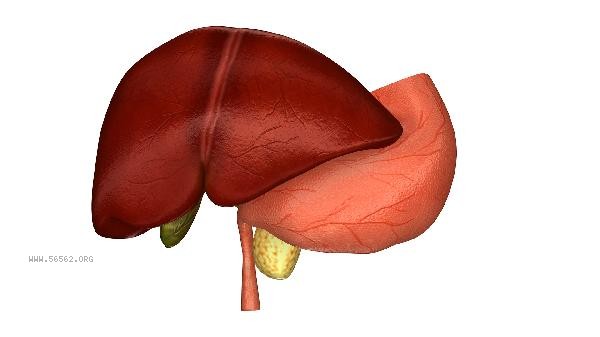
For high-risk groups with a history of hepatitis B or hepatitis C infection, long-term drinking, cirrhosis or liver cancer family history, it is recommended that abdominal ultrasound combined with serum alpha fetoprotein detection be performed every 6 months. In daily life, it is important to maintain a balanced diet, reduce the intake of pickled and moldy foods, avoid alcohol consumption, control weight, and actively treat viral hepatitis. If any of the above symptoms occur, it is necessary to seek medical attention promptly at a gastroenterology or liver disease department. Do not self medicate or delay treatment.








Comments (0)
Leave a Comment
No comments yet
Be the first to share your thoughts!