
Brain sounds are usually recommended to undergo ear examination, neurology examination, and imaging examination. Braining is a subjective sensation that refers to the feeling of sound appearing in the head or skull of a patient in the absence of an external sound source. Its etiology may involve the auditory system, vascular system, or nervous system, and therefore requires targeted investigation.
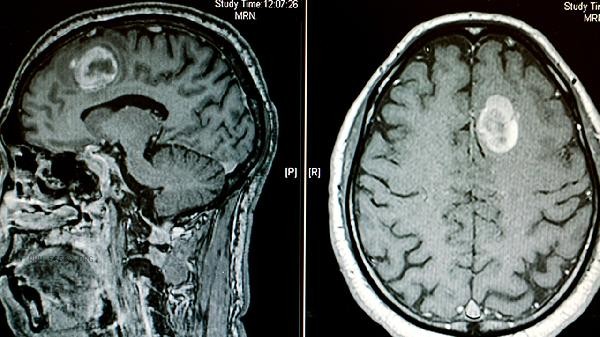
1. Ear examination:
Ear examination is the basis for screening brain sounds and is mainly used to determine whether there are problems with the auditory system. Doctors will evaluate hearing levels through methods such as pure tone audiometry and acoustic impedance testing to rule out tinnitus or brain sounds caused by hearing loss or middle ear diseases. If hearing loss is detected during examination, brain sounds may be related to abnormal auditory pathways, and treatment may consider wearing hearing aids or using sound therapy to mask abnormal sounds.
2. Temporal bone high-resolution CT:
Temporal bone high-resolution CT is mainly used to observe the fine bony structure of the middle and inner ear, and can clearly display whether there are deformities, inflammation, or tumors in the ossicles, cochlea, and vestibule. If cerebral ringing is accompanied by hearing loss or dizziness, this examination can help rule out structural lesions such as otosclerosis, middle ear cholesteatoma, or abnormal development of the inner ear, providing anatomical basis for subsequent treatment.
3. Head magnetic resonance plain scan:
Head magnetic resonance plain scan is an important means of excluding intracranial organic lesions, which can clearly display brain tissue, brainstem, cerebellum, and ventricular system. This examination can detect neurological diseases such as white matter lesions, cerebral infarction, brain tumors, and multiple sclerosis that may lead to brain sounds. If the cerebral ringing is unilateral or continues to worsen, this examination is particularly necessary to rule out space occupying lesions, and the doctor will decide whether further treatment is needed based on the results.
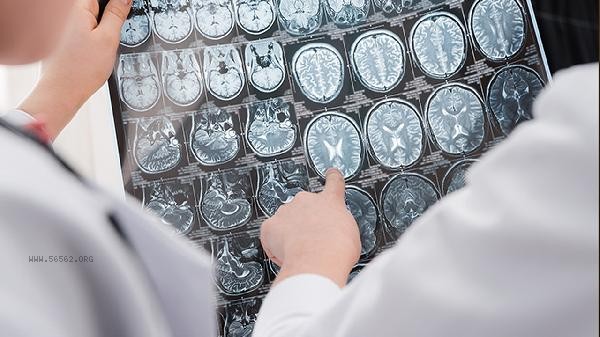
4. Magnetic resonance angiography:
Magnetic resonance angiography is specifically used to evaluate the blood flow of intracranial arteries and veins, and can detect vascular malformations, aneurysms, arterial stenosis, or venous sinus thrombosis and other vascular causes. If the brain sounds pulsatile and consistent with the heartbeat rhythm, it usually indicates the possibility of vascular origin. This examination can clarify whether there is an arteriovenous fistula or vascular compression of nerves. After diagnosis, symptoms can be relieved through interventional therapy or drug intervention.
5. Transcranial Doppler Ultrasound:
Transcranial Doppler ultrasound is a non-invasive examination of cerebral vascular function, which detects the blood flow velocity and direction of major intracranial arteries through ultrasound, and evaluates whether there is spasm, stenosis, or insufficient blood supply in the blood vessels. If brain sounds are related to blood pressure fluctuations or emotional tension, this examination can help determine whether there is an abnormality in cerebral vascular regulation function. Treatment can follow the doctor's advice to use drugs that improve cerebral circulation, such as nifedipine tablets, flunarizine capsules, or Ginkgo biloba extract tablets, but the specific medication needs to be determined by the doctor based on the cause. In daily care, it is recommended to maintain a regular schedule, avoid staying up late and overexertion, reduce caffeine and alcohol intake, and pay attention to controlling blood pressure and blood sugar. If the buzzing is accompanied by symptoms such as dizziness, sudden hearing loss, or limb numbness, seek medical attention as soon as possible. After completing the above examinations under the guidance of a doctor, targeted treatment based on the identified cause can usually effectively improve the troubles caused by cerebral ringing.









Comments (0)
Leave a Comment
No comments yet
Be the first to share your thoughts!