
Idiopathic pulmonary fibrosis usually requires high-resolution CT, lung function examination, blood gas analysis, bronchoalveolar lavage, lung biopsy and other examinations. These tests help to clarify the diagnosis and assess the severity of the condition.
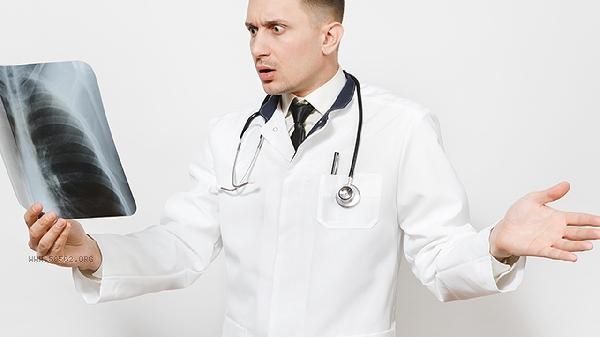
1. High resolution CT
High resolution CT is a key examination for diagnosing idiopathic pulmonary fibrosis, which can clearly display the characteristic changes of pulmonary fibrosis, such as grid shadows, honeycomb lungs, etc. This examination is non-invasive and has high resolution, which can help doctors detect lesions early.
2. Pulmonary function test
Pulmonary function test evaluates the degree of impairment of lung ventilation and air exchange function by measuring indicators such as lung capacity and diffusion function. Patients with idiopathic pulmonary fibrosis typically exhibit restrictive ventilation dysfunction and decreased diffusion function.
3. Blood gas analysis
Blood gas analysis can detect the levels of oxygen and carbon dioxide in the blood, and determine whether the patient has hypoxemia. Late stage idiopathic pulmonary fibrosis often results in decreased arterial oxygen partial pressure, indicating respiratory failure.

4. Bronchoalveolar lavage
Bronchoalveolar lavage is performed by obtaining bronchoalveolar lavage fluid through fiberoptic bronchoscopy for cytological analysis and pathogen detection. This examination helps to rule out other lung diseases, such as infections or tumors.
5. Lung biopsy
Lung biopsy is the gold standard for diagnosing idiopathic pulmonary fibrosis, which involves obtaining lung tissue through surgery for pathological examination. Pathology shows fibroblastic foci and honeycomb like changes, but this examination is traumatic and is usually used when other examinations cannot confirm the diagnosis. In addition to regular follow-up examinations, patients with idiopathic pulmonary fibrosis should avoid smoking and exposure to dust, maintain moderate exercise to enhance lung function, ensure sufficient nutrient intake in their diet, and seek medical attention promptly if breathing difficulties worsen. Daily respiratory rehabilitation training, such as abdominal breathing and pursed lip breathing, can help improve quality of life.








Comments (0)
Leave a Comment
No comments yet
Be the first to share your thoughts!