
It is not recommended to consume raw or cold foods, spicy and stimulating foods, greasy foods, caffeinated drinks, and alcoholic beverages after an abortion to avoid affecting physical recovery or exacerbating discomfort.
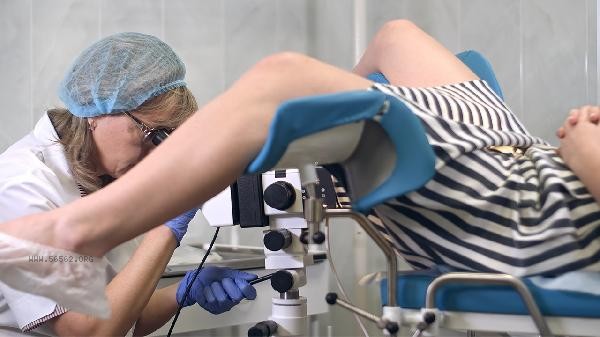
1. Raw and cold foods
Raw and cold foods such as chilled drinks, raw fish slices, cold dishes, etc. can easily stimulate the gastrointestinal mucosa, leading to gastrointestinal dysfunction and causing abdominal pain or diarrhea. After abortion, women's bodies are relatively weak and their digestive ability decreases. Consuming such foods may hinder nutrient absorption, delay the process of uterine repair, and even induce uterine coldness, leading to poor discharge of lochia or worsening of menstrual abdominal pain, which is not conducive to overall postoperative recovery.
2. Spicy foods
Spicy and stimulating foods such as chili peppers, Sichuan peppercorns, ginger, garlic, etc. can dilate blood vessels, accelerate blood circulation, and may lead to increased vaginal bleeding or prolonged bleeding time after surgery. In addition, spicy foods can easily cause dryness and heat in the body, exacerbate pelvic congestion, and trigger lower abdominal pain or inflammatory reactions. For endometrial tissue that has just undergone surgical trauma, such foods can increase the risk of infection and interfere with normal healing.
3. Greasy foods
High fat foods such as fatty meat, fried foods, and animal organs are difficult to be quickly digested and absorbed by the gastrointestinal tract, which can easily increase the already weakened digestive burden after surgery and cause digestive symptoms such as nausea, vomiting, or bloating. Excessive intake of fat may also affect lipid metabolism, leading to an increase in blood viscosity, which is not conducive to microcirculation improvement, thereby slowing down the repair speed of surgical wounds and affecting physical recovery.

4. Caffeine containing Beverages
Strong tea, coffee, functional drinks, etc. contain high concentrations of caffeine, which has a stimulating effect on the central nervous system and may cause postoperative symptoms such as insomnia, anxiety, or palpitations in women, affecting the quality of rest. Adequate sleep is the key to postoperative recovery, and caffeine can also be diuretic, accelerating water loss in the body. Insufficient water intake may cause blood concentration, which is not conducive to tissue fluid exchange and wound healing.
5. Alcoholic drinks
Alcoholic drinks such as Baijiu, beer and red wine will inhibit the immune system function, reduce the body's ability to resist bacteria, and increase the probability of postoperative infection. Alcohol can also dilate blood vessels, increase the risk of postoperative bleeding, and may interact with antibiotics or painkillers taken after surgery, affecting drug efficacy or increasing liver metabolic burden. In severe cases, it can cause toxic reactions such as dizziness and fatigue, and must be strictly prohibited.
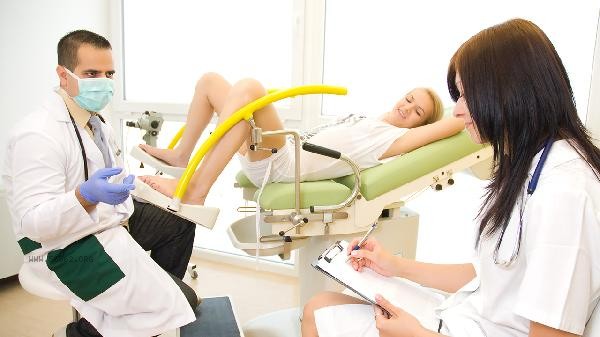
The diet after surgery should be light, digestible and rich in high-quality protein and vitamins, such as lean meat Congee, egg soup, steamed vegetables, etc. A small number of meals should be taken to avoid overeating. Pay attention to keeping the perineum clean and dry, change sanitary pads frequently, and prohibit bathing and sexual activity within one month to prevent retrograde infection. Proper bedside activities should be carried out to promote the discharge of lochia, but heavy physical labor and vigorous exercise should be avoided. If fever, abdominal pain, or abnormal increase in bleeding occur, it is necessary to immediately go to the hospital for follow-up examination.



Comments (0)
Leave a Comment
No comments yet
Be the first to share your thoughts!