
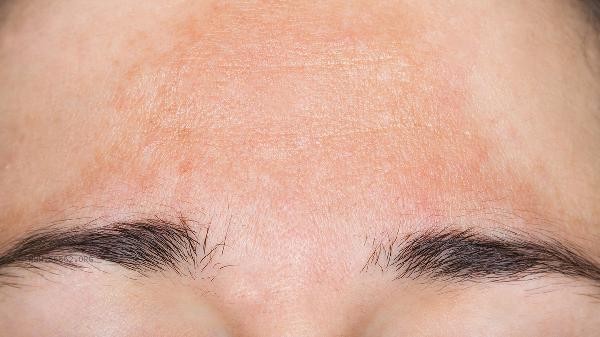
Spots on the face can be improved through sun protection care, topical medication, chemical exfoliation, laser treatment, traditional Chinese medicine conditioning, and other methods. Staining may be related to factors such as UV exposure, endocrine disorders, skin inflammation, genetic factors, and drug effects.
1. Sunscreen Care
Strict sun protection is required in daily life, choose broad-spectrum sunscreen with SPF30 or above and PA++++, and reapply every 2-3 hours. When going out, use physical shielding such as a sun hat and sunglasses. Ultraviolet radiation can stimulate the activity of melanocytes and exacerbate pigmentation such as melasma and sunspots. It is recommended to stick to sun protection even on cloudy days, as glass windows cannot completely block UVA rays.
2. Topical medication
Hydroquinone cream can inhibit tyrosinase activity and reduce melanin synthesis, suitable for melasma and post inflammatory pigmentation. Vitamin A yogurt cream can promote epidermal replacement and lighten surface pigments, and should be used in the dark at night. The tranexamic acid essence can block the melanin transmission path, and has a good effect on stubborn stains. Skin testing is required before use to avoid irritation reactions.
3. Chemical exfoliation
Glycolic acid peels the skin by dissolving the stratum corneum with a concentration of 20% -70% glycolic acid, accelerating the shedding of pigmented old dead skin cells. Salicylic acid skin rejuvenation is more suitable for oily skin and can also improve enlarged pores. The treatment needs to be carried out by a doctor, and there may be temporary erythema and desquamation after the surgery. It is necessary to strengthen repair and moisturizing. Perform once every 2-4 weeks, with 3-5 sessions being the complete course of treatment.

4. Laser therapy
Q-switched laser selectively destroys melanin particles, with significant effects on freckles and age spots. Picosecond laser uses optomechanical effects to more accurately crush pigments, with a shorter recovery period. Specific wavelengths need to be selected based on the type of pigmentation, and strict sun protection is required after surgery to avoid blackening. The treatment interval is at least one month, usually requiring 2-3 sessions to show significant improvement.
5. Traditional Chinese medicine conditioning
Liver stagnation and qi stagnation color spots can be relieved by taking Xiaoyao Pill to relieve liver depression, combined with acupuncture and moxibustion at Taichong, Zusanli and other acupoints. For those with spleen deficiency and dampness, apply Shenling Baizhu Powder to invigorate the spleen and remove dampness, and apply Qibai Powder facial mask externally. It is recommended to use Liuwei Dihuang Pill to nourish yin and kidney for the treatment of melasma caused by kidney yin deficiency. The treatment cycle of traditional Chinese medicine is relatively long, and it is necessary to avoid spicy and stimulating foods in combination with diet. Patients with pigmentation should maintain a regular daily routine and avoid staying up late to worsen endocrine disorders. Eat more fruits such as kiwi and strawberry that are rich in vitamin C, as well as tomatoes and spinach that contain glutathione. When washing your face, move gently and choose mild amino acid cleansing products. Avoid using quick acting whitening products containing mercury and lead during treatment. If there is a sudden increase in pigmentation or accompanied by itching and scaling, it is necessary to seek medical attention promptly to rule out malignant skin tumors.







Comments (0)
Leave a Comment
No comments yet
Be the first to share your thoughts!