
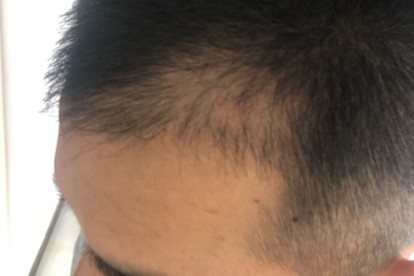
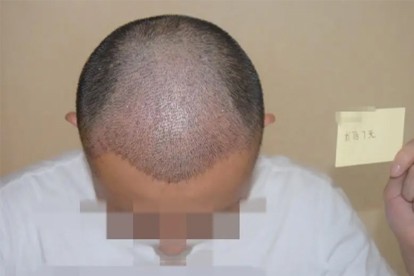
The pain after hair transplantation can be relieved by cold compress, adjusting sleeping position, taking painkillers orally, avoiding vigorous activity, and keeping the wound clean. Post transplant pain is usually caused by surgical trauma, folliculitis, nerve sensitivity, postoperative swelling, individual differences, and other factors.

1. Cold compress
Within 24 hours after surgery, sterile ice packs and towels can be used to apply cold compress to the surgical area, 10-15 minutes each time, with an interval of 1 hour repeated. Low temperature can constrict blood vessels, reduce swelling, and decrease sensitivity of nerve endings. Be careful to avoid direct contact between ice packs and the skin to prevent frostbite. If using medical cold compress patches, ensure that the dressing is sterile.
2. Adjust sleeping position
It is recommended to lie down and raise the pillow by 30 degrees, using a U-shaped pillow to fix the head. Avoid lateral compression on the hair collection and implantation areas to reduce hair follicle friction. Keeping the head above the heart for 3 days after surgery can help alleviate the swelling and pain caused by tissue edema.
3. Oral analgesics
Non steroidal anti-inflammatory drugs such as ibuprofen sustained-release capsules, acetaminophen tablets, and celecoxib capsules can be used according to medical advice. These drugs relieve pain by inhibiting prostaglandin synthesis and also have anti-inflammatory effects. Do not self medicate with drugs such as aspirin enteric coated tablets that may increase the risk of bleeding.
4. Avoid strenuous activities
Within one week after surgery, avoid running, bending over, lifting heavy objects, and other behaviors to reduce pulsatile pain caused by accelerated blood flow in the head. When washing hair, keep the water temperature below 38 ℃ and rinse gently. Wear a loose and breathable surgical cap when going out to avoid direct sunlight and dust irritation.
5. Keep the wound clean
Use chlorhexidine mouthwash according to the doctor's advice to clean the blood scab, combined with mupirocin ointment to prevent infection. Yellow discharge or throbbing pain in the planting area should alert to folliculitis, and local application of fusidic acid cream can be used. Do not scratch the scab area to avoid pulling unstable hair follicle units. Pain within 3 days after surgery is a normal phenomenon. If there is persistent and worsening pain, burning sensation, or accompanied by fever, timely follow-up examination is necessary to rule out infection. Choose water rich foods such as winter melon and Job's tears in your diet, and reduce sodium intake to alleviate edema. During the recovery period, avoid smoking, alcohol, and spicy foods to ensure high-quality protein intake and promote hair follicle repair. Hair dyeing and perming are prohibited within one month after surgery, and silicone free formula should be used for hair care products. Regular follow-up visits with doctors to evaluate the survival of hair follicles usually take 6-12 months to observe the final effect.






Comments (0)
Leave a Comment
No comments yet
Be the first to share your thoughts!