
Pickled radish that is too sour can be improved by adding sugar to neutralize, extending soaking time, pairing with other ingredients, adjusting the pickling ratio, and secondary processing.
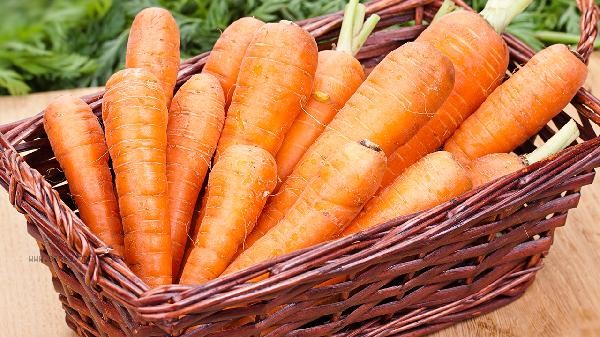
1. Adding sugar to neutralize
Adding an appropriate amount of white sugar or honey to pickled radish can effectively neutralize the sour taste. Sugar reacts chemically with acetic acid, which can reduce the sensitivity of taste buds to acidity. During operation, it is necessary to add a small amount multiple times and stir thoroughly to avoid adding too much at once, which may cause excessive sweetness. Rock sugar dissolves slowly but has a richer flavor, making it suitable for radishes that need to be pickled for a long time.
2. Extend soaking time
Soak the pickled radish that has been soaked in cold water for half an hour to two hours, and change the water two to three times during this period. Moisture dilutes excess acetic acid on the surface of carrots while maintaining a crispy and tender taste. This method is particularly suitable for finished pickled vegetables that have already undergone fermentation. It is important to note that the soaking time should not exceed four hours to prevent nutrient loss.
3. Mix with other ingredients
Mix pickled radish with sweet and refreshing ingredients such as cucumber slices and pear strips, and use the complementary flavors of the ingredients to balance acidity. Adding shredded onions or apple slices can not only alleviate the sourness, but also enhance the complex aroma. This method is suitable for ready to eat mixed dishes, and it is recommended to mix and eat immediately to maintain the best taste.
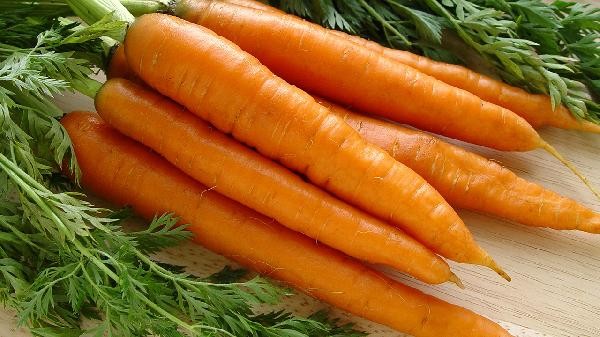
4. Adjust the marinating ratio
When making pickled radish, it is necessary to control the salt sugar ratio, usually with 30 grams of salt and 50 grams of sugar per kilogram of radish. The recommended amount of vinegar is one-third of the total liquid volume. You can first mix rice vinegar with cold water at a ratio of 1:2 to make the marinade. Adjust the taste after 24 hours of initial pickling, and the acidity will continue to increase during the fermentation process.
5. Secondary processing
Sour pickled radish can be diced and stir fried or boiled in soup. High temperatures can cause some acetic acid to evaporate. When stir frying, pair it with pork belly or eggs, and the soup can absorb some of the sour taste. When making kimchi cakes or fillings, squeezing out some of the juice from the pickled radish and then chopping it up can reduce the overall acidity.
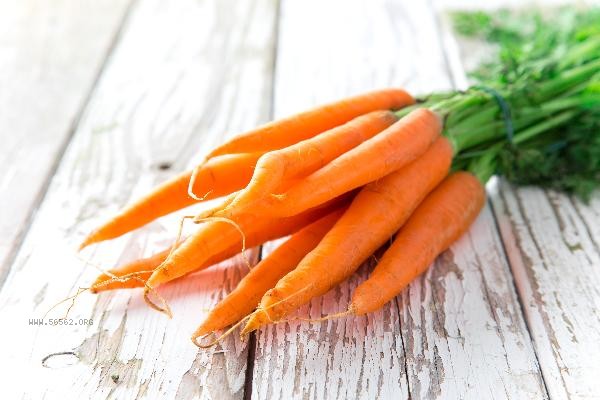
Choose fresh and plump white radish for daily pickling, as varieties with intact skin and no pits are more resistant to storage. For the first attempt, it is recommended to make a small amount and find the appropriate flavor by adjusting the ingredient ratio. The pickling container needs to be strictly disinfected. When fermenting at room temperature, the lid should be opened daily to release air. In a refrigerated environment, the fermentation rate is slower but the acidity is gentler. Excessive consumption of acidic foods may irritate the gastrointestinal mucosa, and those with weak digestive function should control their intake.








Comments (0)
Leave a Comment
No comments yet
Be the first to share your thoughts!