
Brainstorming can be improved through psychological regulation, attention diversion, regular sleep patterns, moderate exercise, professional intervention, and other methods. Random thinking may be related to factors such as stress, anxiety, lack of sleep, mental illness, hormone fluctuations, etc.
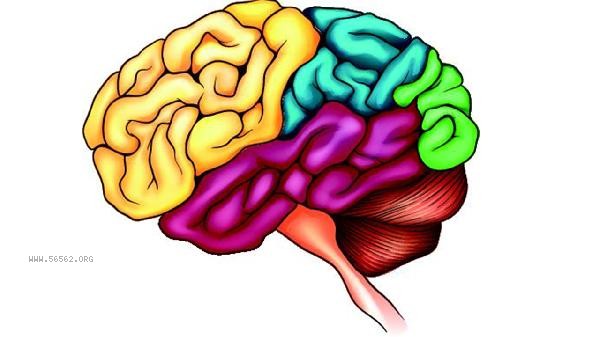
1. Psychological regulation
helps stabilize emotions and reduce distractions through mindfulness meditation or breathing training. Perform 5-10 minutes of focused breathing exercises at a fixed time every day, observing thoughts without judgment. Recording distracting thoughts can help identify sources of stress, and when anxiety is evident, you can try writing down your concerns and analyzing their rationality one by one.
2. Shift attention
Immediately engage in activities that require concentration, such as puzzles, speed calculations, or handicrafts, to interrupt the thought cycle. Choose tasks that require hand eye coordination, such as painting or instrument practice, and focus continuously for more than 20 minutes to effectively clear distractions. Avoid passive browsing of mobile phones and other fragmented information intake.
3. Regular sleep schedule
Maintain a fixed bedtime and wake-up time every day to ensure 7-8 hours of sleep. Avoid blue light stimulation one hour before bedtime, and soak your feet in warm water or gently stretch them. Lack of sleep can lead to a decline in prefrontal function and exacerbate uncontrolled thinking.
4. Moderate Exercise
Engage in 3-5 aerobic exercises such as brisk walking and swimming per week, each lasting 30-40 minutes. The secretion of endorphins in the body during exercise can alleviate anxiety, and group exercise can also provide social support. Yoga and other physical and mental exercises can simultaneously improve concentration and emotional regulation abilities.
5. If professional intervention
persists for two weeks without relief, anxiety disorder or compulsive thinking may be considered, and a psychiatrist may recommend cognitive-behavioral therapy. In severe cases, anti anxiety drugs such as paroxetine tablets and escitalopram oxalate tablets can be used according to medical advice, combined with physical therapy such as transcranial magnetic stimulation.
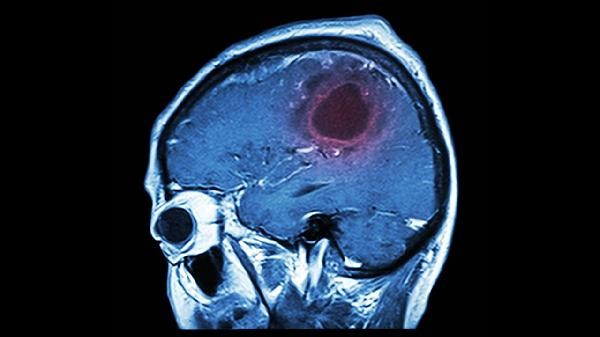
Establish a daily emotional record book to distinguish between real worries and excessive imagination. Maintain a balanced diet, especially deep-sea fish and nuts rich in omega-3 fatty acids, and limit caffeine intake. Cultivate hobbies that require sustained attention, such as learning a new language or playing a musical instrument, and gradually train brain control abilities. If accompanied by physical symptoms such as palpitations, hand tremors, or affecting social function, it is necessary to seek timely evaluation at a psychiatric department.




Comments (0)
Leave a Comment
No comments yet
Be the first to share your thoughts!