
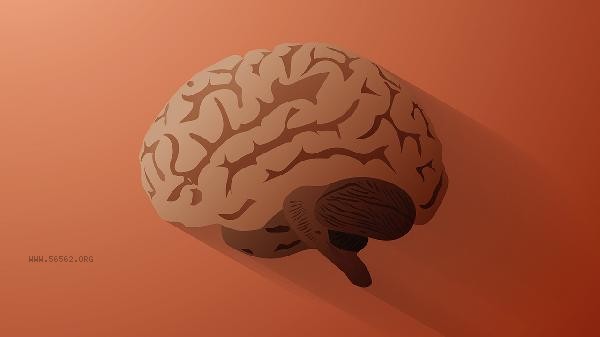
The brain always has wild thoughts, which can be improved by adjusting daily routines, psychological counseling, moderate exercise, cultivating interests and hobbies, medication treatment, and other methods. Random thinking may be related to factors such as excessive stress, anxiety disorders, depression, sleep deprivation, and neurological disorders.

1. Adjusting sleep schedule
Maintaining a regular sleep schedule helps stabilize brain neural activity. It is recommended to set a fixed daily bedtime and wake-up time to avoid staying up late or reversing day and night. Avoid using electronic devices one hour before bedtime. Try listening to light music or reading paper books to help relax. Long term sleep deprivation can lead to a decline in frontal lobe function and exacerbate uncontrolled thinking.
2. Psychological counseling
Cognitive behavioral therapy can effectively improve excessive thinking. Unreasonable automatic thinking patterns can be identified by recording the content of wild thoughts and triggering scenarios. When negative thoughts arise, use objective facts to refute oneself. If self-regulation is difficult, it is recommended to seek the help of a professional psychological counselor and establish new thinking habits through systematic training. Moderate exercise can promote the secretion of substances such as endorphins in the brain through aerobic exercise. Engaging in 3-5 30 minute activities such as brisk walking, swimming, or cycling per week can lower cortisol levels and improve neurotransmitter balance. The slight fatigue generated after exercise also helps to shift attention and reduce distractions. Pay attention to the intensity of exercise gradually and avoid overexertion.
4. Cultivate interests and hobbies
Focused activities can occupy cognitive resources and reduce distractions. You can choose activities that require focused attention, such as handmade crafts, painting, and instrument playing, to block mind wandering through immersive experiences. Group activities such as choir and dance can also increase social interaction and provide emotional support. It is recommended to schedule 30-60 minutes of focused time every day to gradually establish new neural circuits.
5. In severe cases of [SEP], medication should be used under the guidance of a doctor. Selective serotonin reuptake inhibitors such as paroxetine hydrochloride tablets and escitalopram oxalate tablets can regulate mood and thinking activities, while benzodiazepines such as alprazolam tablets can temporarily improve anxiety induced thinking disorders. During the medication period, regular follow-up visits are required to evaluate the efficacy, and the dosage cannot be adjusted by oneself.
Daily intake of deep-sea fish, walnuts, and other foods rich in omega-3 fatty acids can be increased to help maintain the stability of nerve cell membranes. It is recommended to practice mindfulness breathing for 10-15 minutes every day, focusing on feeling the rhythm of breathing. Avoid excessive consumption of stimulating beverages such as coffee and strong tea. If the symptoms persist for more than 2 weeks and affect daily life, it is necessary to seek timely treatment at a psychiatric department, complete psychological assessment, and necessary brain function tests.





Comments (0)
Leave a Comment
No comments yet
Be the first to share your thoughts!