
Pregnancy examination reveals thalassemia, which can be treated through regular prenatal monitoring, dietary adjustments, genetic counseling, necessary blood transfusion therapy, and postpartum neonatal management. Mediterranean anemia is a hereditary hemolytic disease typically caused by defects in the globin gene.
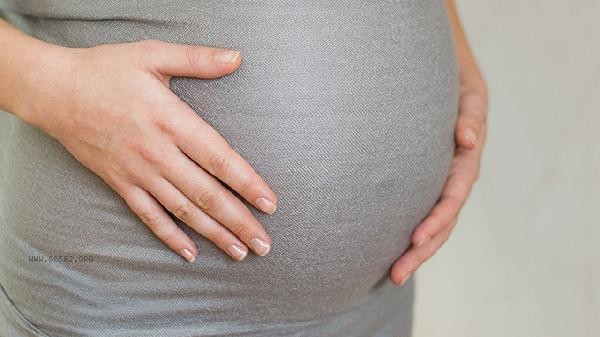
1. Regular prenatal check ups and monitoring:
It is necessary to increase the frequency of prenatal check ups during pregnancy, with a focus on monitoring blood routine and fetal growth and development. Doctors will assess the degree of anemia. If it is mild thalassemia, it usually does not affect pregnancy, but blood routine tests need to be rechecked every 4-6 weeks. If a sustained decrease in hemoglobin or signs of fetal edema are found, timely hospitalization treatment is necessary. It is recommended to perform amniocentesis or chorionic villi sampling between 16-24 weeks of pregnancy to determine fetal genotype.
2. Dietary adjustment:
The diet should increase foods rich in folate and vitamin B12, such as dark green vegetables, animal liver, eggs, etc., which can help with red blood cell production. Avoid blindly supplementing iron, as patients with thalassemia may have a high iron load in their bodies, and excessive iron supplementation can worsen organ damage. Moderate intake of high-quality protein such as fish and soy products can maintain nutritional balance. If combined with iron deficiency anemia, iron supplements should be administered under the guidance of a doctor.
3. Genetic counseling:
recommends that both spouses undergo genetic screening for thalassemia to identify the type of genetic mutation. If both parties are carriers of the same type of thalassemia gene, there is a 25% chance that the fetus will suffer from severe thalassemia and the pregnancy needs to be terminated in the early stages of pregnancy. Genetic counselors will provide fertility risk assessments and guide the selection of pre implantation genetic testing or prenatal diagnosis. If the fetus has been diagnosed with severe thalassemia, it is necessary to decide whether to continue the pregnancy under the guidance of a doctor.

4. Blood transfusion treatment if necessary:
If pregnant women experience moderate to severe anemia, manifested as pale complexion, fatigue, palpitations, etc., and hemoglobin is below 70g/L, they need to be hospitalized for red blood cell transfusion. Cross matching tests should be conducted before blood transfusion to avoid hemolytic reactions. Blood pressure and body temperature should be monitored after blood transfusion to prevent infection. For fetuses with severe thalassemia, intrauterine blood transfusion treatment may be considered, but it needs to be performed at a qualified medical center.
5. Postpartum newborn management:
Newborns should undergo umbilical cord blood thalassemia gene testing immediately after birth to confirm the diagnosis. If it is mild thalassemia, there is generally no need for special treatment, regular follow-up is sufficient. If it is intermediate or severe thalassemia, standardized treatment should be initiated in the neonatal period, including regular blood transfusions, iron removal therapy, and splenectomy evaluation. Parents need to learn to observe changes in the child's complexion, mental state, and appetite, and seek medical attention promptly if any abnormalities occur. The management of thalassemia during pregnancy requires multidisciplinary collaboration, including obstetrics, hematology, and genetic counseling. It is recommended to maintain a regular daily routine, avoid fatigue and infection, and engage in moderate walking and exercise. If you experience dizziness, difficulty breathing, or abnormal fetal movement, seek medical attention immediately. Postpartum attention should be paid to neonatal jaundice and anemia symptoms, and regular blood routine checks should be conducted until school age.








Comments (0)
Leave a Comment
No comments yet
Be the first to share your thoughts!