
Black spots on the face can be improved through sun protection care, topical medication, laser treatment, chemical exfoliation, surgical resection, and other methods. Black spots may be related to UV exposure, endocrine disorders, skin inflammation, genetic factors, drug side effects, and other reasons.
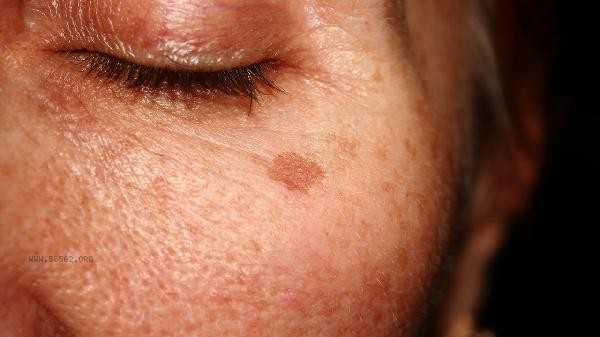
1. Sunscreen Care
Strict sun protection is required in daily life, choose broad-spectrum sunscreen with SPF30 or above and PA++++, and reapply every 2-3 hours. When going out, use physical shielding such as a sun hat and sunglasses. Ultraviolet radiation can stimulate the activity of melanocytes and exacerbate pigmentation such as melasma and sunspots. Long term sun protection can prevent the formation of new spots and also have a fading effect on existing spots.
2. Local medication
Follow the doctor's advice to use topical decolorizing agents such as hydroquinone cream, vitamin A yogurt cream, and nonanedioic acid cream. Hydroquinone cream can inhibit tyrosinase activity and reduce melanin synthesis; Vitamin A yogurt cream can accelerate epidermal turnover; Ren'er Yogurt Cream has anti-inflammatory and mild peeling effects. Continuous use for 3-6 months may result in adverse reactions such as skin irritation.
3. Laser therapy
Selective photothermal effects such as Q-switched lasers and picosecond lasers can decompose melanin particles. Q-switched laser is suitable for skin pigmentation disorders such as Ota nevus and coffee spots; Picosecond laser significantly improves melasma. Generally, 3-5 treatments are required with an interval of 1-2 months, and temporary erythema or blackening may occur after surgery.

4. Chemical exfoliation
Chemical exfoliation techniques such as fruit acid and salicylic acid can promote keratin shedding and accelerate epidermal renewal. 20% -35% fruit acid is suitable for epidermal melasma, while 30% -50% salicylic acid has a better effect on post inflammatory pigmentation. The treatment interval is 2-4 weeks, and it is necessary to use postoperative repair products to avoid abnormal pigmentation.
5. Surgical resection
For pigmented nevi with a diameter exceeding 5 millimeters and unclear boundaries or suspected malignant black spots, it is recommended to undergo surgical resection and pathological examination. Using a shuttle shaped incision for direct suturing or skin flap repair, the stitches are removed 7-10 days after surgery. Attention should be paid to postoperative scar care to avoid pigmentation of the incision caused by ultraviolet radiation.
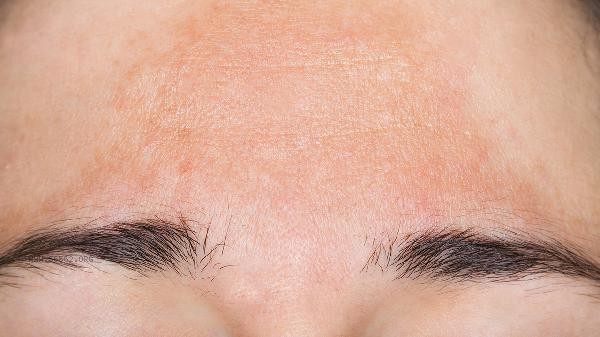
It is necessary to maintain a regular daily routine to avoid staying up late and excessive stress that can lead to endocrine disorders. Consuming citrus fruits and kiwis rich in vitamin C can help inhibit melanin synthesis. Avoid using whitening products containing heavy metals such as mercury. If the spots increase in size, have uneven color, or are accompanied by bleeding in the short term, timely medical attention should be sought to rule out diseases such as malignant melanoma. During the treatment period, strictly follow the doctor's advice for re examination, and do not add or remove medication or interrupt the course of treatment on your own.








Comments (0)
Leave a Comment
No comments yet
Be the first to share your thoughts!