
Eating spicy snacks during pregnancy usually does not require special treatment, and can be responded to by observing physical reactions, drinking moderate amounts of water, adjusting diet, paying attention to rest, and seeking medical attention in a timely manner.
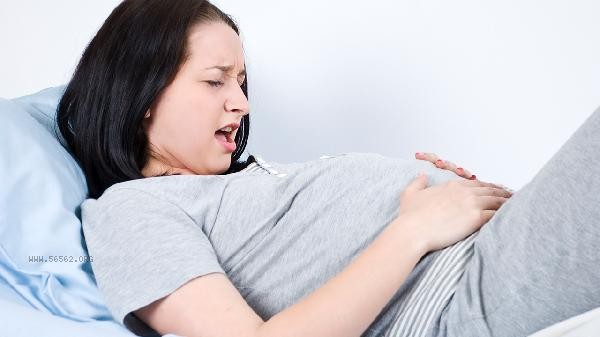
1. Observe reaction
After consuming spicy strips, it is necessary to closely monitor oneself for any discomfort symptoms such as abdominal pain, diarrhea, or burning sensation in the stomach. The high content of capsaicin and food additives in spicy strips may irritate the gastrointestinal mucosa. If there are no obvious adverse reactions, it usually indicates that the body can tolerate it without excessive tension. If there is mild abdominal discomfort, you can first stop eating other stimulating foods and maintain a calm state. In most cases, the symptoms will relieve on their own.
2. Moderate drinking water
Drinking warm water can help dilute irritating substances in the gastrointestinal tract, promote metabolism and excretion. Water intake can alleviate dry mouth, tongue, and throat discomfort caused by spicy food, while helping to soften feces and prevent constipation caused by spicy stimulation. It is recommended to drink slowly and in small sips to avoid excessive drinking at once, which increases the burden on the gastrointestinal tract. It is advisable to drink warm water and avoid drinking ice water to avoid exacerbating gastrointestinal spasms.
3. Diet adjustment
Light and digestible food, such as millet porridge, rotten noodles or steamed egg soup, should be selected for the following meals to reduce further irritation to the gastrointestinal tract. Temporarily avoid consuming fried, raw or cold foods, as well as consuming spicy foods again, to allow the damaged gastrointestinal mucosa time to repair. It is advisable to increase the intake of fresh vegetables and fruits rich in vitamins, such as bananas, apples, or broccoli, to supplement nutrition and maintain intestinal microbiota balance.
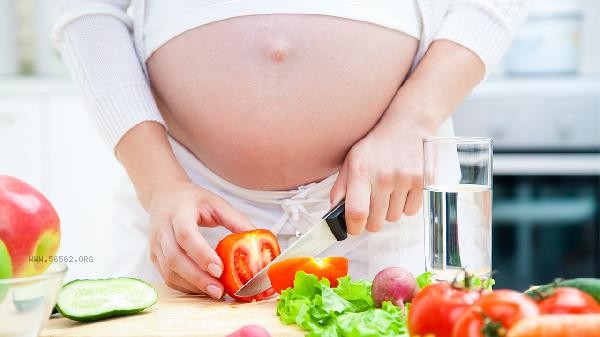
4. Pay attention to rest
Ensuring sufficient sleep time and good rest state can help enhance the body's immunity and self repair ability. Overwork may reduce the body's resistance to adverse stimuli and exacerbate discomfort. Pregnant women should rest in comfortable positions such as a left lateral position, reduce physical activity, avoid vigorous exercise, and keep their bodies in a relaxed state, which is beneficial for relieving mild stress reactions caused by improper diet.
5. Seek medical attention promptly
If severe abdominal pain, persistent diarrhea, vaginal bleeding, or abnormal fetal movement occur, it is necessary to seek medical attention immediately. These symptoms may indicate the occurrence of acute gastroenteritis or induction of uterine contractions, posing a risk to fetal safety. Doctors will evaluate the specific situation and provide safe medication or intervention measures if necessary. Do not blindly use medication on your own to avoid delaying the condition or harming the fetus.

Diet during pregnancy should be based on the principles of balanced nutrition, cleanliness and hygiene, and try to eat as little or no processed snacks containing large amounts of additives and high salt and oil as possible. Daily consumption of natural ingredients rich in high-quality protein, dietary fiber, and various vitamins, such as lean meat, fish, soy products, and seasonal vegetables and fruits. Maintain a regular schedule, take moderate walks and exercise, have regular prenatal check ups, closely monitor fetal development, and consult professional doctors promptly if there are any physical discomforts to ensure the health and safety of both mother and baby.








Comments (0)
Leave a Comment
No comments yet
Be the first to share your thoughts!