
Re examination of gallbladder polyps reveals that the majority of changes are related to abnormal cholesterol metabolism, chronic inflammatory stimulation, and other factors. Intervention can be achieved through regular follow-up, dietary adjustments, medication control, ultrasound follow-up monitoring, or cholecystectomy.
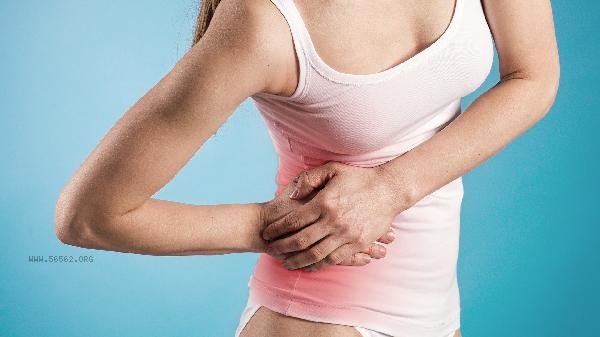
1. Regular follow-up
It is recommended to have a gallbladder ultrasound every 3-6 months after the enlargement of gallbladder polyps. For polyps with a diameter of 5-10 millimeters, it is necessary to closely monitor their growth rate; If the growth exceeds 2 millimeters per year or blood flow signals appear, it indicates an increased risk of malignancy. During the follow-up examination, it is necessary to fast for at least 8 hours to avoid intestinal gas interference with image clarity.
2. Adjust diet
Reduce intake of high cholesterol foods such as animal organs and egg yolks, and control daily cholesterol intake below 300 milligrams. Adding vegetables and fruits rich in dietary fiber such as broccoli and apples can help promote bile excretion. When cooking, use olive oil instead of animal oil to avoid stimulating gallbladder contraction caused by fried foods.
3. Drug Control
For cholesterol polyps, follow the doctor's advice to use ursodeoxycholic acid capsules to regulate bile composition, or use Danning tablets to improve bile stasis. When combined with cholecystitis, amoxicillin and clavulanic acid potassium tablets should be used for anti infection. Regular liver function testing is necessary during drug therapy to avoid drug-induced liver injury.
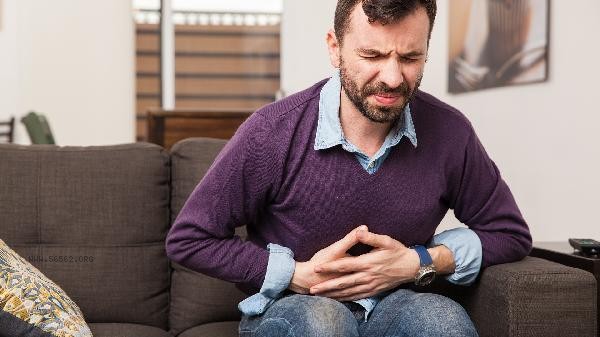
4. Ultrasound Follow up
It is recommended to perform contrast-enhanced ultrasound every 2-3 months for polyps measuring 10-15 millimeters, to observe features such as basal width and internal blood flow. Enhanced CT scan is necessary for the diagnosis of extensive polyps accompanied by thickening of the gallbladder wall to rule out mucosal infiltration. During the follow-up period, symptoms such as persistent pain in the upper right abdomen and yellowing of the skin require immediate medical attention.
5. Cholecystectomy
If a single polyp exceeds 15 millimeters or rapidly grows for more than 3 millimeters in a short period of time, laparoscopic cholecystectomy should be considered. For patients over 50 years old with gallstones, surgery is recommended even for polyps measuring 10-15 millimeters. After surgery, a low-fat diet should be maintained for 2-3 months, gradually transitioning to a normal diet. Patients with enlarged gallbladder polyps should maintain a regular daily routine to avoid overexertion that may trigger biliary colic. The diet follows the principle of small meals and multiple meals, with a daily intake of 1500-2000 milliliters of diluted bile. It is forbidden to take stone dissolving drugs or traditional Chinese patent medicines and simple preparations on your own. Consult your doctor before using various health care products. Patients over 40 years old are recommended to undergo annual screening for tumor markers, including CA199, CEA, and other indicators. If there is fever accompanied by severe pain in the upper right abdomen, be alert to acute cholecystitis and seek emergency treatment promptly.








Comments (0)
Leave a Comment
No comments yet
Be the first to share your thoughts!