
There are no absolutely forbidden foods for girls during their menstrual period, but it is recommended to avoid raw, cold, spicy, stimulating, salty, caffeinated, and high sugar foods.
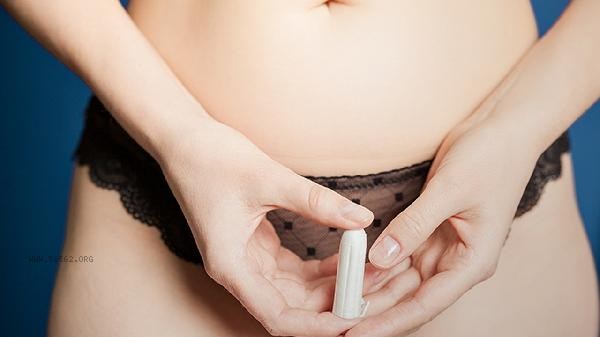
1. Raw and Cold
Consuming raw and cold foods such as ice cream, chilled drinks, or raw fish slices may cause constriction of pelvic blood vessels, leading to spasmodic contractions of uterine smooth muscle, exacerbating dysmenorrhea symptoms or causing poor menstrual blood flow. This type of food can also damage the spleen and stomach yang qi, affect qi and blood biochemistry, and exacerbate menstrual fatigue. It is recommended to choose a warm diet during menstruation, such as hot milk or warm water, to promote blood circulation, relieve abdominal discomfort, and maintain a normal rhythm of menstrual blood flow.
2. Spicy stimulation
Excessive consumption of spicy and stimulating foods such as chili peppers, Sichuan peppercorns, ginger, or strong liquor can easily irritate the gastrointestinal mucosa, causing gastrointestinal congestion, and may also induce pelvic congestion, leading to increased menstrual flow or prolonged menstruation. Spicy foods may also exacerbate common menstrual symptoms such as acne and constipation, leading to an increase in the body's inflammatory response levels. Menstrual diet should be mainly light, reducing the use of seasonings, avoiding additional burden on the sensitive reproductive and digestive systems, and preventing abnormal menstrual flow.
3. Salty food
Salty food, such as pickled food, processed meat or excessive salt, will lead to sodium ion retention in the body, causing water and sodium retention, thus aggravating the common edema phenomenon during menstruation, which is manifested as facial edema or limb swelling. A high salt diet can also increase the burden on the kidneys, which may lead to blood pressure fluctuations and affect menstrual emotional stability. It is recommended to control daily salt intake, eat more fresh vegetables and fruits, use potassium ions to help eliminate excess sodium ions, and reduce body heaviness and swelling discomfort. 4. Caffeine containing foods such as strong tea, coffee, cola, or chocolate can stimulate the central nervous system and may exacerbate emotional fluctuations such as menstrual anxiety, irritability, or insomnia. Caffeine also has a diuretic effect, which may accelerate water loss in the body. At the same time, its astringent properties may affect iron absorption, which is not conducive to the recovery of hemoglobin in women who experience menstrual bleeding. It is recommended to switch to herbal tea or warm water during menstruation to maintain emotional stability, ensure sufficient sleep quality, and assist in body repair.
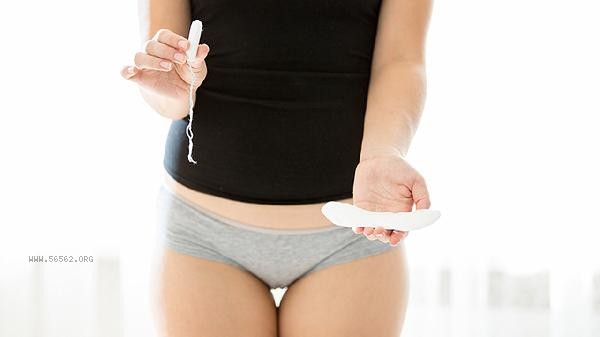
5. High sugar foods
Cake, candy, sweet drinks, and other high sugar foods can cause drastic fluctuations in blood sugar levels, leading to a large secretion of insulin and subsequently triggering reactive hypoglycemia, making people feel more tired and emotionally low. High sugar intake can also consume the B vitamins in the body, affect nervous system function, and exacerbate menstrual headaches or breast tenderness. In addition, sugar metabolites may promote the release of inflammatory factors, exacerbating the severity of dysmenorrhea. It is recommended to choose natural fruits to supplement sweetness, stabilize energy supply, and reduce physical discomfort. During menstruation, girls should pay attention to a balanced diet and consume more foods rich in high-quality protein, iron, and vitamins, such as lean meat, eggs, spinach, and apples, to supplement lost nutrients. Daily attention should be paid to keeping the abdomen warm, avoiding cold water baths, and taking appropriate walks and exercises to promote the circulation of qi and blood. If there are abnormal conditions such as severe dysmenorrhea, excessive menstrual flow, or menstrual disorders, it is necessary to go to the gynecology department of the hospital for timely treatment, follow the doctor's advice for relevant examinations and treatments, and not blindly take medication on your own to ensure reproductive health.




Comments (0)
Leave a Comment
No comments yet
Be the first to share your thoughts!