
Before undergoing routine vaginal discharge examination, it is necessary to pay attention to adjusting lifestyle details, avoiding special physiological periods, suspending local medication, avoiding sexual activity, and maintaining a relaxed mindset. These preparations can help obtain more accurate examination results and avoid interference factors affecting doctors' judgments.
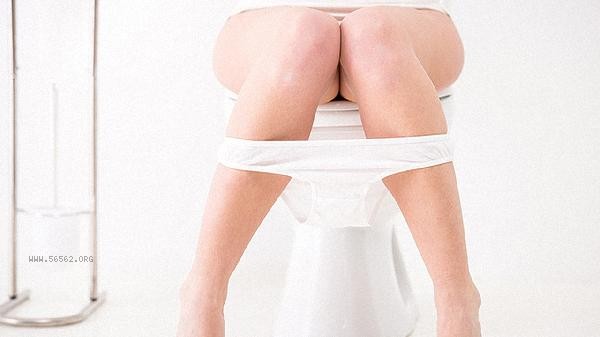
1. Adjusting lifestyle details:
Within three days before the examination, it is recommended not to perform vaginal flushing or use any cleaning solution to clean the perineal area. Daily cleaning of the external genitalia with clean water is sufficient. Excessive rinsing can disrupt the normal bacterial environment in the vagina and may lead to false abnormalities in indicators such as white blood cells and cleanliness in examination results. At the same time, it is recommended to wear loose and easy to put on/take off pants or skirts on the day of the inspection, and avoid tight clothing such as pantyhose.
2. Avoid special physiological periods:
Examination should be conducted during the menstrual period, as menstrual blood can mix into the specimen, affecting the observation of red blood cells and pathogens in vaginal secretions. The best time for examination is within 3 to 7 days after the end of menstruation. If there is abnormal vaginal bleeding, it is necessary for the doctor to determine whether the examination can still be performed. In addition, routine vaginal discharge examination during pregnancy is safe, but it is necessary to inform the doctor of the gestational age in advance.
3. Suspension of local medication:
Three days before the examination, stop using any vaginal medication, including suppository, tablet, ointment or gel. These drug ingredients may cover the surface of the vaginal mucosa or alter the local pH value and bacterial distribution, resulting in examination results that cannot truly reflect the actual infection status inside the vagina. If medication is being used for treatment purposes, it is recommended to consult a doctor to see if it is necessary to discontinue the medication before checking again.
4. Avoid sexual activity:
Sexual activity should be avoided within three days before the examination. Semen, lubricants, and bacteria introduced during sexual activity can alter the composition and acidity of vaginal secretions, thereby interfering with the detection of pathogens such as trichomonas and fungi. In addition, sexual activity may also cause slight congestion of the vaginal mucosa, leading to false inflammatory manifestations during examination.
5. Maintain a relaxed mindset:
There is no need to fast on the day of the examination, and a normal diet is sufficient. When collecting specimens, try to relax your body and cooperate with the doctor's operation. Excessive tension can cause pelvic floor muscles to contract and increase discomfort. If antibiotics or hormone drugs have been used recently, it is also necessary to inform the doctor before the examination, as these drugs may affect the balance of vaginal flora. After the examination, pay attention to keeping the external genitalia clean and dry, and there is no need to be overly anxious while waiting for the results. Regular daily routines, balanced diet, and avoidance of antibiotic abuse can help maintain a stable vaginal microbiota. If there is itching, odor or abnormal color in the external genitalia, seek medical attention promptly instead of self medication. Routine examination of vaginal discharge is a basic gynecological examination, and a normal result does not mean there is no problem at all. It needs to be comprehensively judged by a doctor based on symptoms. If any abnormalities are found after examination, follow the doctor's advice for standardized treatment, there is no need to worry excessively.








Comments (0)
Leave a Comment
No comments yet
Be the first to share your thoughts!