
If the Helicobacter pylori antibody is positive in the physical examination, further examination through gastroscopy, eradication treatment according to medical advice, adjustment of dietary structure, regular follow-up, psychological counseling and other methods can be used to cope. Helicobacter pylori infection is usually caused by oral transmission, shared utensils, reduced gastric acid secretion, weakened immune function, long-term use of nonsteroidal anti-inflammatory drugs, and other factors.
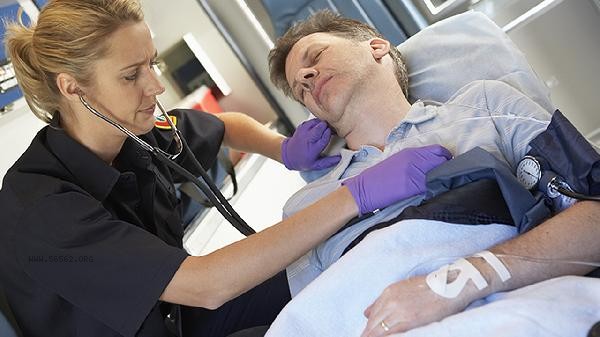
1. Gastroscopy
Gastroscopy can visually evaluate the degree of gastric mucosal damage and determine whether there are lesions such as gastritis and gastric ulcers. Before the examination, it is necessary to fast for 8 hours and undergo painless or regular gastroscopy under the guidance of a doctor. When active ulcers or mucosal atrophy are found, pathological biopsy should be combined to determine whether other gastric diseases need to be treated simultaneously.
2. Eradicative therapy
The commonly used quadruple therapy in clinical practice includes proton pump inhibitors such as omeprazole enteric coated capsules, two antibiotics such as amoxicillin capsules and clarithromycin tablets, and bismuth agents such as bismuth potassium citrate granules. The treatment requires strict completion of a 10-14 day course of treatment to avoid self medication reduction leading to bacterial resistance. During the treatment period, adverse reactions such as diarrhea and bitter mouth may occur, and it is necessary to communicate with a doctor in a timely manner.
3. Dietary Adjustment
During the infection period, stimulating foods such as chili peppers, strong tea, alcohol, etc. should be avoided, and the intake of pickled foods and high-temperature barbecue foods should be reduced. Moderate consumption of fresh vegetables and fruits rich in vitamin C, such as broccoli and kiwifruit, can help maintain gastric mucosal repair. Implement the serving of individual dishes and use public chopsticks. The tableware should be boiled and sterilized regularly.
4. Regular follow-up
4-8 weeks after completing eradication treatment, a carbon-13/14 breath test should be conducted to confirm the effect and avoid being missed due to treatment failure. Afterwards, antibody titers can be monitored every 1-2 years. If symptoms such as stomach pain and acid reflux occur in daily life, timely medical attention should be sought to be alert to the possibility of recurrence.
5. Psychological counseling
Some patients may experience anxiety due to concerns about the risk of gastric cancer, and it is important to understand that the clearance rate of Helicobacter pylori infection after standardized treatment can reach 90%. Mindfulness breathing training can relieve stress and avoid excessive attention to gastrointestinal symptoms. Family members should be screened simultaneously to prevent cross infection.

It is necessary to develop the habit of washing hands before and after meals in daily life, and avoid chewing and feeding infants and young children. It is recommended to use spoons and chopsticks during meals and not share dental utensils with others. During eradication treatment, alcohol should be quit and medication that damages the gastric mucosa should be avoided. Taking appropriate walks, practicing Tai Chi, and exercising regularly can help boost immunity. It is not recommended to self administer probiotics or folk remedies to intervene in the therapeutic effect during the treatment process.








Comments (0)
Leave a Comment
No comments yet
Be the first to share your thoughts!