
The redness of urine after eating dragon fruit is usually a physiological phenomenon caused by beetroot red pigment, and may also be caused by urinary system infections, stones, tumors, nephritis, trauma, etc. It can be treated by observing and waiting, increasing water intake, following medical advice, extracorporeal lithotripsy, surgical treatment, and other methods.
1. Pigment metabolism
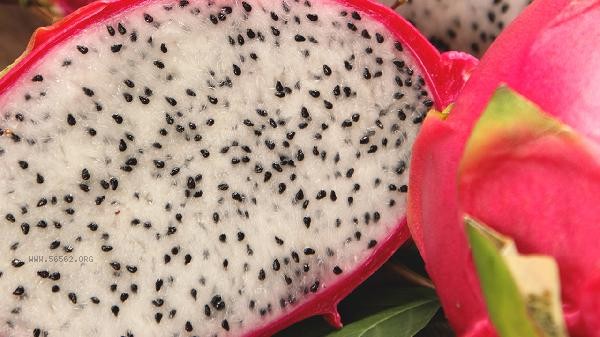
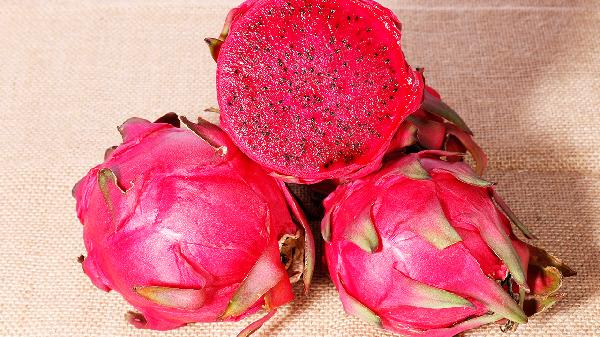
Eating red pitaya results in urine turning red, which is a normal physiological reaction. Dragon fruit contains abundant beetroot red pigment, which is not easily completely decomposed and absorbed in the human body. Some of it will be excreted with urine, resulting in urine appearing red or pink. This condition is usually not accompanied by discomfort symptoms such as frequent urination, urgency, and pain during urination, and does not require special treatment. It is recommended to temporarily stop consuming dragon fruit and increase water intake appropriately to promote accelerated metabolism and excretion of pigments. Generally, urine color can return to normal within 1 to 2 days after stopping consumption.
2. Urinary tract infections
Urinary system infections may be related to factors such as Escherichia coli and Staphylococcus aureus, and usually manifest as symptoms such as frequent urination, urgency, and pain during urination. When bacteria invade the urethra, bladder, and other areas, causing inflammation, it may lead to mucosal congestion, edema, and even slight bleeding, which can mix into urine and cause discoloration. If red urine persists and accompanied by discomfort during urination after excluding food factors, be alert to the possibility of infection. Patients should use levofloxacin tablets, cefixime dispersible tablets, amoxicillin capsules and other drugs for anti infection treatment under the guidance of a doctor, while paying attention to personal hygiene and avoiding holding urine.
3. Urinary tract stones
Urinary tract stones may be related to metabolic abnormalities, insufficient water intake, and other factors, usually manifested as severe lower back colic, hematuria, and other symptoms. When stones move within the urinary tract, they can easily scratch the mucosa, causing bleeding and making urine appear red or flesh colored. The change in urine color caused by such situations will not disappear with the cessation of dragon fruit consumption. After diagnosis, a plan should be developed based on the size and location of the stones. For smaller stones, medication such as stone removal granules and diclofenac sodium sustained-release tablets can be taken according to medical advice to relieve pain. For larger stones, medical interventions such as extracorporeal shock wave lithotripsy or ureteroscopy may be required.
4. Renal tumors
Renal tumors may be related to genetic mutations, long-term exposure to chemicals, and other factors, usually manifested as painless gross hematuria, lumbar masses, and other symptoms. During the growth of tumor tissue, blood vessels rupture and bleed, and blood enters the urine, causing the urine to turn red in color. This type of bleeding is often intermittent and easily overlooked. If middle-aged and elderly people have unexplained red urine, it is necessary to seek medical attention and examination in a timely manner. In terms of treatment, it is necessary to adopt surgical methods such as partial nephrectomy and radical nephrectomy based on the pathological type and stage, and to control the progression of the disease with targeted drug therapy after surgery.
5. Glomerulonephritis
Glomerulonephritis may be related to immune-mediated injury, streptococcal infection, and other factors, usually manifested as eyelid edema, hypertension, hematuria, and other symptoms. Damage to the glomerular filtration membrane leads to the leakage of red blood cells into the urine, resulting in microscopic hematuria or gross hematuria, which darkens the color of the urine. Abnormal urine color caused by such diseases is often accompanied by proteinuria and edema. The patient needs to strictly rest in bed, limit salt intake, and use medications such as hydrochlorothiazide tablets, nifedipine controlled-release tablets, and acetate prednisone tablets under the guidance of a doctor to regulate blood pressure, eliminate edema, and suppress immune reactions to prevent further deterioration of kidney function.
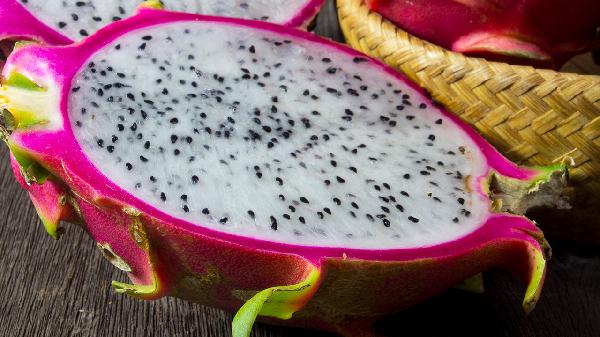
In daily life, it is important to maintain good eating habits, consume fresh vegetables and fruits in moderation, and avoid excessive consumption of foods containing natural pigments to prevent unnecessary panic. Pay attention to drinking sufficient water every day and maintain normal urine output, which can help flush the urethra and reduce the risk of stones and infections. Regular health check ups should be conducted, and attention should be paid to changes in urine color. Once persistent red urine caused by non food factors or accompanied by symptoms such as pain and fever is found, immediate medical attention should be sought at the urology or nephrology department of the hospital. Urine routine and urinary ultrasound examinations should be completed, and the cause should be identified before actively cooperating with doctors for standardized treatment. Do not blindly take medication on your own to delay the condition.






Comments (0)
Leave a Comment
No comments yet
Be the first to share your thoughts!