
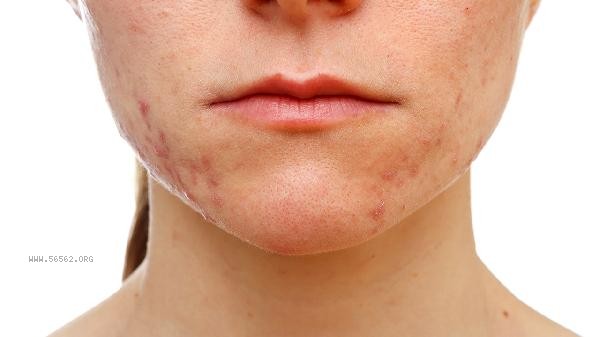
The appearance of white acne on the face may be related to factors such as excessive sebum secretion, abnormal keratinization of hair follicles, bacterial infections, changes in hormone levels, and improper diet. It can be improved by adjusting skincare habits, medication treatment, and other methods.
1. Excessive sebum secretion
Excessive sebum secretion from sebaceous glands can lead to pore blockage and the formation of white acne. Adolescents with oily skin are more prone to this condition. It is recommended to use a mild amino acid cleanser to clean the face in daily life and avoid using irritating skincare products containing alcohol. Use adapalene gel to regulate sebum secretion according to doctor's advice.
2. Abnormal keratinization of hair follicles
Dysregulation of keratin metabolism can cause dead skin cells to accumulate at the hair follicle opening, forming closed comedones. It may be related to genetic factors or vitamin A deficiency. It is recommended to use salicylic acid containing cutin conditioning facial mask 1-2 times a week, and use it together with topical retinoic acid cream to improve keratosis.
3. Bacterial infection
Propionibacterium acnes overgrowth can cause inflammatory acne. Manifested as white purulent head with surrounding redness and swelling. Antibacterial drugs such as fusidic acid cream should be used, and in severe cases, oral doxycycline hydrochloride tablets can be taken. Never squeeze with your hands to avoid aggravating the infection.

4. Changes in hormone levels
Menstrual cycles, stress, and other factors can cause fluctuations in testosterone levels, stimulating sebaceous gland hyperplasia. This type of acne often appears in patches along the jawline. Six types of sex hormones can be detected, and if necessary, spironolactone tablets can be used to regulate hormone levels.
5. Improper diet
High sugar and high-fat diet can promote sebum secretion, and hormone components in dairy products may also induce acne. It is recommended to reduce the intake of milk tea and fried foods, and increase the intake of seafood rich in zinc and coarse grains rich in vitamin B. Drinking 2000 milliliters of water daily helps with metabolism. Maintaining a regular schedule and a positive mindset can help regulate endocrine function. Choosing sunscreen with oil-free formula can prevent pore blockage. If acne continues to worsen or leave scars, it is recommended to seek professional intervention such as red and blue light therapy at a dermatologist. Please note that all medications should be used under the guidance of a doctor and do not self medicate with antibiotic ointments for extended periods of time.






Comments (0)
Leave a Comment
No comments yet
Be the first to share your thoughts!