
The tendency to cry during menstruation may be related to hormonal fluctuations, psychological stress, premenstrual syndrome, underlying depressive tendencies, and environmental factors. This situation is usually triggered by changes in hormone levels in the body, leading to emotional sensitivity, and some women may experience anxiety or irritability.

I. Hormone fluctuation
The level of estrogen and progesterone changes dramatically during the menstrual cycle, which directly affects the secretion of neurotransmitters in the brain that regulate emotion. The sudden drop in hormone levels during the late luteal phase can lead to a decrease in serotonin secretion, which may trigger sudden mood swings or crying impulses. Some people are more sensitive to hormone changes and their reactions are more pronounced.
2. Psychological stress
Long term work pressure or interpersonal tension may exacerbate menstrual emotional fluctuations. When the body is in the fragile stage of menstruation, the accumulated psychological pressure will be released through emotions. Some women unconsciously use their menstrual period as an outlet for emotional release, forming a cyclical psychological dependence.
III. Premenstrual Syndrome
Premenstrual syndrome patients often experience significant emotional symptoms, which may reach the diagnostic criteria for premenstrual dysphoria in severe cases. In addition to wanting to cry, it may also be accompanied by obvious irritability, lack of concentration, or sleep disorders. This situation is related to hormonal changes, but the severity of symptoms far exceeds that of normal menstrual reactions.

4. Potential depressive tendencies
Women with a history of depression or depressive traits may experience worsening emotional symptoms during menstruation. Hormonal changes during menstruation may become a trigger point for triggering depressive episodes. If the impulse to cry is accompanied by prolonged low mood and decreased interest for more than two weeks, one should be alert to the possibility of a depressive episode.
V. Environmental factors
Cold weather, insufficient sunlight, or disrupted lifestyle may amplify menstrual discomfort. When there is a lack of social support or recent negative events, the ability to regulate menstrual emotions will further decline. Negative perceptions of menstruation in certain cultural contexts may indirectly increase psychological burden.
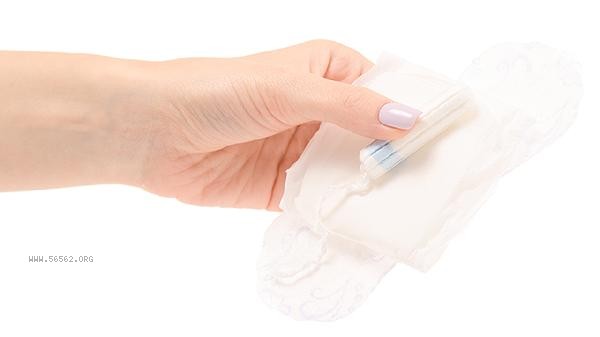
It is recommended to maintain a regular schedule during menstruation and increase intake of foods rich in vitamin B6, such as bananas and deep-sea fish, to help stabilize emotions. Mild aerobic exercise can promote the secretion of endorphins, but vigorous exercise should be avoided. If emotional symptoms seriously affect daily life, you can consult a doctor to assess whether short-term use of drugs that regulate neurotransmitters is necessary. Establish a record of menstrual cycle emotions to help distinguish between physiological fluctuations and pathological emotional issues. Menstrual emotional fluctuations are mostly normal physiological phenomena, but it is important to consider professional psychological support if they persist.




Comments (0)
Leave a Comment
No comments yet
Be the first to share your thoughts!