
Pregnant women usually do not have a single food that is absolutely prohibited from consumption, but should strictly avoid raw food, unsterilized dairy products, high mercury fish, alcoholic beverages, and excessive caffeine to prevent infection or affect fetal development.
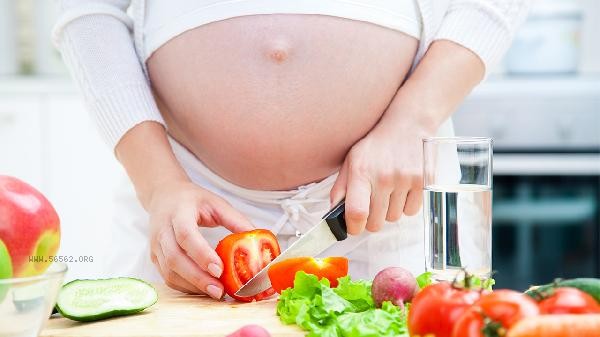
1. Raw Meat and Eggs
Raw or undercooked meat, eggs, and seafood may carry pathogens such as Toxoplasma gondii, Salmonella, or Listeria monocytogenes. Pregnant women may experience fever, diarrhea, and in severe cases, miscarriage, premature birth, or fetal malformation after infection. In daily diet, it is essential to ensure that the center temperature of meat meets safety standards, and eggs should be fully cooked for consumption. Avoid eating raw fish slices, soft boiled eggs, or homemade desserts containing raw egg liquid to block the transmission routes of parasites and bacteria and ensure the safety of mother and baby.
2. Non dairy products
Non pasteurized milk, soft cheese, and freshly squeezed fruit juice may contain Listeria monocytogenes. This bacterium can still reproduce at low temperatures, and symptoms may be mild in pregnant women after infection, but it is highly susceptible to transmission to the fetus through the placenta, leading to severe intrauterine infections, stillbirths, or neonatal sepsis. When choosing dairy products, carefully check the labels to confirm that they have been sterilized at high temperatures, avoid purchasing bulk milk sold by roadside vendors or handmade cheese from unknown sources, and prevent diseases from entering through the mouth.
3. High mercury fish
Large predatory fish such as sharks, swordfish, and tuna often accumulate high concentrations of methylmercury in their bodies. Mercury is a neurotoxin that can damage the developing nervous system of the fetus through the placental barrier, leading to intellectual disability, motor coordination disorders, or cognitive impairment after birth. It is recommended that pregnant women choose fish with low mercury content, such as salmon, cod, or shrimp, to supplement high-quality protein and DHA, strictly control the frequency and single consumption of large marine fish, and avoid the risk of heavy metal poisoning.
4. Alcoholic Beverages
Any alcoholic beverage, including beer, red wine, and spirits, has no safe dosage for pregnant women. Alcohol can quickly enter the fetal blood circulation through the placenta, interfere with cell division and organ formation, and may cause fetal alcohol spectrum disorders, manifested as facial deformities, growth retardation, and lifelong behavioral and intellectual disabilities. During pregnancy, complete abstinence from alcohol should be avoided, and caution should also be taken against cooking cooking wine or alcoholic desserts that have not completely evaporated. All sources of alcohol should be eliminated to protect the health of the fetus.
5. Excessive Coffee
Coffee, strong tea, and functional beverages contain a large amount of caffeine. Excessive intake of caffeine can affect fetal heartbeat and metabolism through the placenta, increasing the risk of miscarriage and low birth weight infants, and may lead to discomfort symptoms such as palpitations, insomnia, and anxiety in pregnant women. Although drinking in small amounts may have lower risks, for safety reasons, it is recommended to limit daily caffeine intake to extremely low levels or completely avoid it. Instead, use light flower tea, lemon water, or warm milk as refreshing drinks to maintain a stable physiological state. Pregnant women should adhere to the principle of food diversification in their daily diet, consuming more fresh vegetables, fruits, whole grains, and high-quality protein to ensure a balanced and comprehensive nutrition. Before eating, it is necessary to thoroughly clean the ingredients, and when cooking, separate raw and cooked to avoid cross contamination. Maintaining a regular daily routine and engaging in moderate walking and exercise can help promote gastrointestinal peristalsis and blood circulation. If there are abnormal reactions such as nausea, vomiting, abdominal pain, and diarrhea, it is necessary to immediately stop suspected food intake and seek medical attention at the obstetrics department of the hospital in a timely manner. Do not self medicate or believe in folk remedies. Regular prenatal check ups should be conducted to closely monitor the growth and development of the fetus and jointly protect the health of the mother and baby.









Comments (0)
Leave a Comment
No comments yet
Be the first to share your thoughts!