
Weight loss can be achieved through adjusting dietary structure, increasing exercise, improving lifestyle habits, psychological regulation, medical intervention, and other methods. Weight management requires long-term persistence, and it is recommended to choose scientific methods based on individual physical fitness.
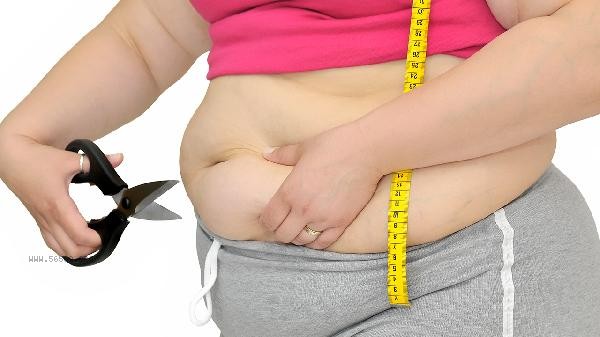
1. Adjust dietary structure
Reduce intake of high sugar and high-fat foods, increase the proportion of vegetables, fruits, and high-quality protein. Replace refined rice flour with brown rice and choose low-fat meats such as chicken breast and fish. Drink plenty of water daily and avoid sugary drinks. The cooking method is mainly steaming and boiling, and the amount of edible oil is controlled. Pay attention to the timing and quantity of three meals to avoid overeating.
2. Increase physical activity
Engage in aerobic activities such as brisk walking, swimming, or cycling every week. Maintain a heart rate within the fat burning range for at least 30 minutes each time. Combining resistance training to enhance muscle mass and improve basal metabolic rate. Increase daily activity by using stairs instead of elevators. Warm up and stretch before and after exercise to prevent sports injuries.
3. Improve lifestyle habits
Ensure 7-8 hours of high-quality sleep per day and avoid staying up late that affects metabolism. Reduce sedentary time by getting up and moving for 5 minutes every hour. Quit bad habits such as smoking and drinking. Maintain a regular schedule and establish a stable biological clock. Manage stress levels and avoid emotional eating.

4. Psychological regulation
Set reasonable weight loss goals, with a weekly weight loss of no more than 1% of body weight. Record diet and exercise habits to enhance self-monitoring. Seek peer support, encourage each other, and persevere. Receive professional psychological counseling to improve the relationship with food. Avoid excessive focus on weight figures and pay attention to changes in body circumference.
5. Medical intervention
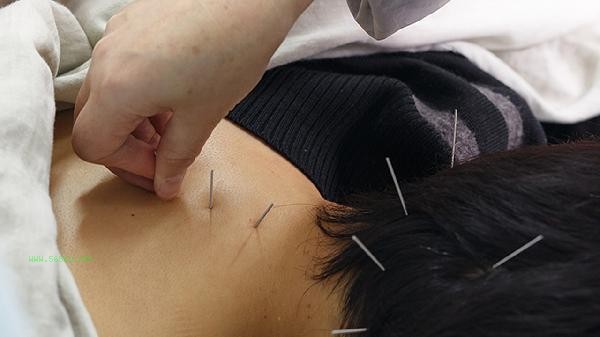
Use medication such as Orlistat capsules under the guidance of a doctor to assist in treatment. Severe obesity patients may consider surgical methods such as gastric banding surgery. Regularly monitor metabolic indicators such as blood glucose and blood lipids. Nutritionists develop personalized dietary plans. Traditional Chinese medicine conditioning such as acupuncture and moxibustion and catgut embedding should be carried out in regular institutions. During weight loss, extreme dieting or excessive exercise should be avoided, and gradual progress is easier to adhere to. Recording daily diet and exercise can help with self-monitoring. During the plateau period, one can adjust their exercise routine or dietary structure. After losing weight, it is necessary to establish a long-term healthy lifestyle to prevent rebound. If discomfort symptoms such as dizziness and fatigue occur, seek medical evaluation in a timely manner. Maintain a positive attitude and view a healthy lifestyle as a lifelong habit rather than a short-term goal.




Comments (0)
Leave a Comment
No comments yet
Be the first to share your thoughts!