
When checking the heart, it is usually necessary to check items such as electrocardiogram, cardiac ultrasound, myocardial enzyme spectrum, coronary CT or angiography, and dynamic blood pressure monitoring. These examinations help evaluate the structure, function, and vascular health of the heart, and detect potential issues such as arrhythmia, myocardial ischemia, and heart failure early on.
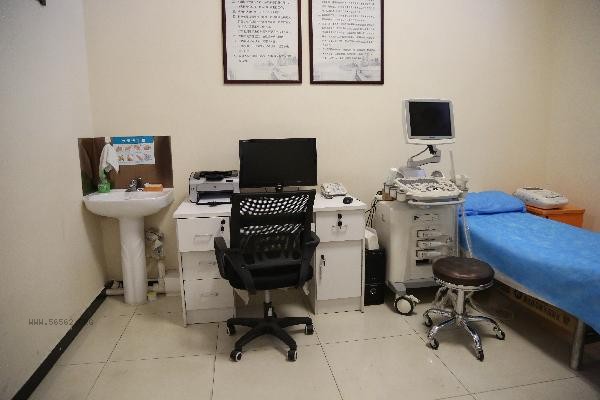
1. Electrocardiogram
Electrocardiogram can quickly screen for abnormalities such as arrhythmia and myocardial ischemia by recording cardiac electrical activity. Resting state examination is non-invasive and convenient. If ST segment changes or T wave inversion are found, it may indicate coronary heart disease, and further evaluation should be conducted in conjunction with other examinations. Some physical examination institutions will conduct exercise load tests simultaneously to improve the detection rate.
2. Cardiac ultrasound
Cardiac ultrasound can visually display the size of each chamber of the heart, valve opening and closing, and blood flow, and has high diagnostic value for congenital heart disease, valve disease, and myocardial hypertrophy. No special preparation is required before transthoracic ultrasound examination, but obese or emphysema patients may affect image quality.
3. Myocardial enzyme spectrum
assists in determining the degree of myocardial injury by detecting indicators such as troponin and creatine kinase isoenzyme. Elevated indicators can appear 3-6 hours after an acute myocardial infarction, and continuous monitoring is of great significance for differential diagnosis of chest pain. Transient elevation may occur after intense exercise, and clinical judgment should be considered.

4. Coronary artery CT
Coronary artery CT angiography can noninvasive assess the degree of coronary stenosis, and calcification score can reflect the load of atherosclerosis. Heart rate should be controlled before examination, injection of contrast agent may cause allergic reactions. For suspected coronary heart disease patients who refuse to undergo angiography, it can be used as a screening method.
5. Dynamic blood pressure monitoring
24-hour dynamic blood pressure monitoring can identify occult hypertension or white coat hypertension, and evaluate cardiovascular risk through circadian rhythm analysis. During the inspection, daily activities should be maintained to avoid data errors caused by cuff movement. The increase in blood pressure variability is closely related to target organ damage.

It is recommended to avoid vigorous exercise and alcohol consumption for 3 days before the physical examination, and wear loose clothing for easy examination. Patients with hypertension or diabetes need to take medicine normally, and carry previous examination reports for comparison by doctors. Individuals aged 40 and above, as well as those with a family history of cardiovascular disease, should undergo annual cardiac specialized examinations. Smoking or overweight individuals can add vascular assessment items such as carotid ultrasound according to doctor's advice.








Comments (0)
Leave a Comment
No comments yet
Be the first to share your thoughts!