
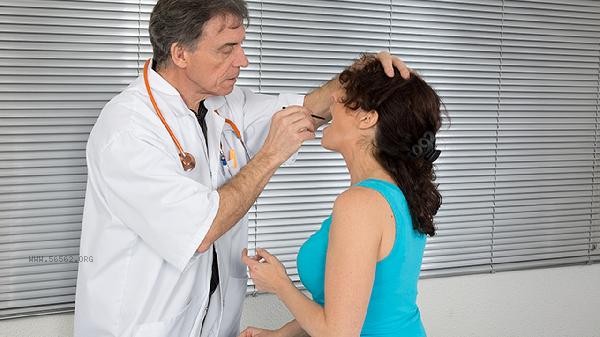
The physical examination items for middle-aged people mainly include blood pressure measurement, blood routine, urine routine, blood glucose testing, blood lipid testing, liver function examination, kidney function examination, electrocardiogram, B-ultrasound examination, chest X-ray examination, etc. The purpose of these projects is to screen for common chronic diseases and assess overall health status.
1. Blood pressure measurement
Blood pressure measurement is the most basic physical examination item and can screen for hypertension. Hypertension is more common in middle-aged people and may lead to cardiovascular and cerebrovascular diseases. Regular blood pressure monitoring can assess cardiovascular health status.
2. Blood routine examination
Blood routine examination includes indicators such as red blood cell count, white blood cell count, hemoglobin content, etc. These data can reflect health issues such as anemia and infections. Early signs of some blood diseases can also be detected through blood routine tests.
3. Urine routine examination
Urine routine examination can evaluate the health status of the urinary system. Abnormal indicators in urine may reflect problems such as abnormal renal function, urinary tract infection or diabetes. This examination is simple to perform, but can detect most urinary system diseases.

4. Blood glucose and lipid detection
Fasting blood glucose and glycosylated hemoglobin can screen diabetes. Blood lipid testing can assess the levels of cholesterol and triglycerides, which are closely related to atherosclerosis and the risk of cardiovascular and cerebrovascular diseases.
5. Imaging examination
B-ultrasound can examine the morphological changes of abdominal organs such as liver, gallbladder, and kidney. Electrocardiogram evaluates cardiac electrical activity and rhythm. Chest X-ray examination can detect lung lesions. These examinations can detect organ dysfunction and early lesions.

It is recommended that middle-aged people undergo a comprehensive physical examination once a year. In addition to routine examinations, gender examination items are also important. Women should undergo breast and gynecological examinations, while men should undergo prostate related examinations. At the same time, specific items can be added based on personal family medical history and lifestyle habits. Maintain a normal daily routine before the physical examination, and it is advisable to fast for 8-10 hours before the laboratory test. Women should avoid menstrual examinations. Properly increasing physical exercise, controlling dietary intake, quitting smoking and limiting alcohol consumption, and maintaining good lifestyle habits play an important role in preventing diseases.








Comments (0)
Leave a Comment
No comments yet
Be the first to share your thoughts!