
The physical examination items for a one and a half year old baby mainly include growth and development assessment, blood routine examination, hearing and vision screening, oral examination, vaccination evaluation, etc. Physical examination can help detect developmental abnormalities in a timely manner and provide a basis for subsequent intervention.
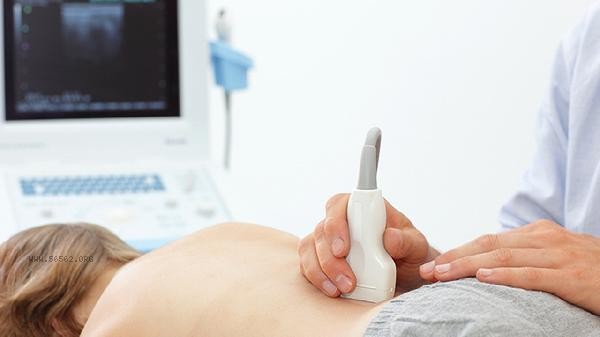
1. Growth and Development Assessment
By measuring data such as height, weight, head circumference, etc., a growth curve chart is drawn to evaluate physical development. Doctors will observe large movements such as walking and running, fine movements such as building blocks and flipping through books, as well as language expression abilities such as speaking single words. If developmental delay is found, rehabilitation training or further examination may be necessary.
2. Blood routine examination
uses fingertip blood collection to detect hemoglobin to determine the presence of anemia, and white blood cell count can reflect the infection status. One and a half year old children are prone to iron deficiency anemia due to a single dietary structure. If their hemoglobin is below 110g/L, they need to supplement with iron supplements under the guidance of a doctor, such as protein iron succinate oral solution, dextran iron granules, etc.
3. Hearing and Vision Screening
Behavioral audiometry is used to observe the response to sound, and a vision screening device is used to detect refractive status. At this stage, conditions such as otitis media and congenital cataracts may affect sensory development. Those with abnormalities should be referred to otolaryngology or ophthalmology, and if necessary, undergo acoustic impedance testing, fundus photography, and other procedures.
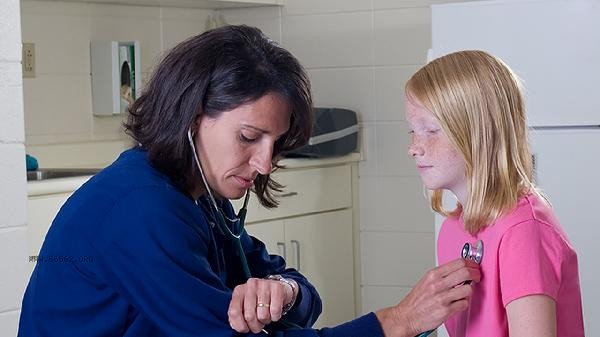
4. Oral examination
Check the number and arrangement of primary teeth eruption to assess the risk of dental caries. At one and a half years old, there should be 12-16 baby teeth. Doctors will guide parents to use finger cots and toothbrushes to clean their teeth and avoid not rinsing their mouth after night milk. Discovery of milk bottle caries requires fluoride treatment, and severe caries may require root canal treatment for primary teeth.
5. Vaccination evaluation
Check the vaccination records of immunization plan vaccines such as mumps vaccine, hepatitis A vaccine, etc., and arrange for supplementary or follow-up vaccination plans. For children with allergic constitution, doctors will evaluate the risks of vaccination such as pertussis vaccine and adopt a phased vaccination strategy if necessary. Before the physical examination, parents can record their baby's daily diet and sleep, and bring past examination reports. After the physical examination, adjust the dietary structure according to the doctor's advice, ensure a daily milk intake of 500ml, and add appropriate amounts of red meat and animal liver to supplement iron. Regular outdoor activities promote bone development and avoid prolonged use of electronic devices that can affect vision. If any abnormal symptoms are found, they should be promptly followed up and medication or health supplements should not be used on their own.









Comments (0)
Leave a Comment
No comments yet
Be the first to share your thoughts!