
Women's health check ups usually include gynecological examinations, breast examinations, ultrasound examinations, cervical cancer screening, and basic laboratory tests. These examinations help to detect common female diseases such as breast diseases, cervical lesions, reproductive system inflammation, and endocrine disorders at an early stage.

1. Gynecological examination:
Gynecological examination is the core item of female physical examination, including visual and palpation of the external genitalia, vagina, cervix, and uterine adnexa. Doctors can preliminarily determine the presence of inflammation, vegetation, cysts, or structural abnormalities through observation and touch. For example, dual diagnostic examination can evaluate the size, position, and mobility of the uterus, as well as the presence of tenderness or lumps in the adnexal area, which is of great value in detecting common problems such as uterine fibroids and ovarian cysts.
2. Breast examination:
Breast examination mainly includes breast palpation and breast ultrasound. Palpation is performed by a doctor touching the breast and axillary lymph nodes with their hands to check for lumps, nodules, or skin changes. Breast ultrasound uses acoustic imaging to clearly display the internal structure of the breast, distinguish between cystic and solid masses, and has significant advantages in examining dense breast tissue. For women over 40 years of age, doctors may recommend increasing mammography to screen for early breast cancer.
3. Ultrasound examination:
Ultrasound examination is widely used in female physical examinations, often including pelvic ultrasound and breast ultrasound. Pelvic ultrasound is divided into two methods: transabdominal and transvaginal, used to observe the presence of space occupying lesions in the uterus, ovaries, fallopian tubes, and pelvic cavity, such as uterine fibroids, ovarian cysts, endometrial polyps, etc. Transvaginal ultrasound images are clearer, especially suitable for observing endometrial thickness and early ovarian lesions. Breast ultrasound is combined with breast examination to improve diagnostic accuracy.

4. Cervical cancer screening:
Cervical cancer screening is a key means of preventing cervical cancer, mainly including liquid based thin-layer cytology examination and human papillomavirus testing. Liquid based thin-layer cytology examination collects cervical exfoliated cells and observes their morphology under a microscope to determine the presence of abnormal cells. Human papillomavirus testing checks for infection with high-risk human papillomavirus, which is the main cause of cervical cancer. The combined screening of the two can significantly improve the detection rate of cervical lesions.
5. Basic laboratory tests:
Basic laboratory tests usually include blood routine, urine routine, liver and kidney function, blood glucose, blood lipids, and thyroid function. Blood routine can reflect the presence of anemia, infection, or blood system diseases; Urinalysis can help detect urinary system infections or kidney problems; Assessment of metabolic status through liver and kidney function and blood glucose and lipid tests; Thyroid function tests can screen for hyperthyroidism or hypothyroidism. In addition, doctors may recommend six hormone tests based on age and symptoms to assess ovarian function and endocrine status.
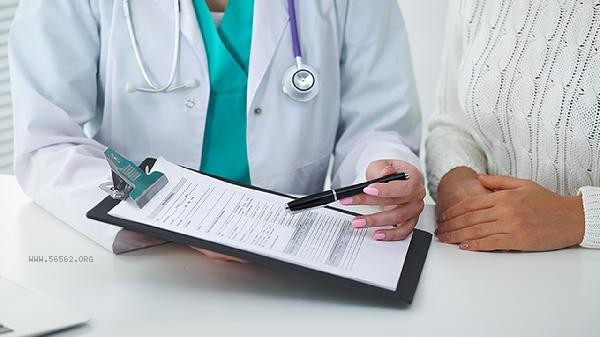
It is recommended that women undergo a routine physical examination once a year based on age, family history, and their own health condition. Pay attention to avoiding the menstrual period before the examination, avoid sexual activity and vaginal medication for three days before the examination, and keep the external genitalia clean. Daily attention to balanced diet, moderate exercise, and maintaining a good sleep routine can help maintain overall health. If abnormal symptoms are found, such as abnormal vaginal bleeding, breast lumps, or abdominal pain, medical attention should be sought promptly for further examination.








Comments (0)
Leave a Comment
No comments yet
Be the first to share your thoughts!