
The physical examination items usually include basic examinations, laboratory tests, imaging examinations, and other categories, which need to be selected based on factors such as age, gender, and health status. The common items include blood routine, urine routine, liver function, kidney function, electrocardiogram, chest X-ray, abdominal ultrasound, etc.
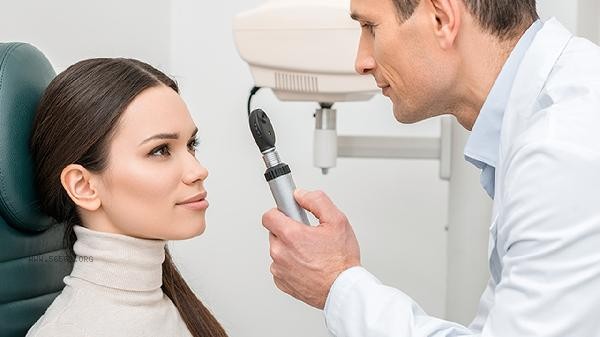
1. Basic examination
Basic examination covers physiological indicators such as height, weight, blood pressure, vision, hearing, etc., to help evaluate basic health status. Blood pressure monitoring can screen for hypertension, while body mass index calculation can determine obesity or malnutrition. Doctors conduct preliminary examinations of organs such as the heart, lungs, and abdomen through palpation and auscultation, which are suitable for all populations as basic physical examination items.
2. Laboratory examination
Blood routine can detect blood system problems such as anemia and infection, while urine routine reflects the urinary system and metabolic status. Liver function tests include indicators such as transaminase and bilirubin, while kidney function tests involve creatinine and urea nitrogen. Blood glucose and lipid analysis can detect diabetes and hyperlipidemia early. Some physical examinations will include screening for tumor markers, such as alpha fetoprotein and carcinoembryonic antigen.
3. Imaging examination
Chest X-ray can observe abnormalities in the structure of the heart and lungs, while abdominal ultrasound can examine the morphology of organs such as the liver, gallbladder, pancreas, and spleen. Electrocardiogram records cardiac electrical activity to screen for arrhythmia or myocardial ischemia. People over 40 years old may have increased bone density testing, and women may need breast ultrasound or mammography. Some high-end physical examinations include CT or MRI scans for in-depth screening of potential lesions.

4. Specialized examination
Gynecological examination includes cervical smear, HPV testing, etc., and male prostate-specific antigen screening for prostate diseases. Ophthalmology will examine the fundus and intraocular pressure, while dentistry will evaluate dental caries and periodontal health. gastrointestinal endoscopy is an invasive procedure, and it is recommended that high-risk individuals undergo it regularly. Pulmonary function testing is aimed at individuals at risk of smoking or respiratory diseases, while hearing testing is suitable for occupational exposure populations.
5. Special Project
Genetic testing can assess the risk of genetic diseases, but it requires professional institutions to operate. The mental health scale helps screen for anxiety and depression, while the body fat analyzer evaluates fat distribution. The exercise tablet test detects the cardiac load capacity, and dynamic blood pressure monitoring improves the accuracy of hypertension diagnosis. These projects are usually selected based on individual needs and do not fall within the scope of routine physical examinations. After the physical examination, it is necessary to maintain a balanced diet, supplement high-quality protein and vitamins in moderation, and avoid high-fat and high salt foods. Engage in 150 minutes of moderate intensity exercise per week, such as brisk walking, swimming, and other aerobic activities. Quit smoking and limit alcohol consumption, ensure 7-8 hours of sleep, and regularly monitor changes in abnormal indicators. It is recommended to seek specialized medical attention promptly based on the abnormal items in the physical examination report, and for individuals aged 40 and above, to complete a comprehensive physical examination once a year.









Comments (0)
Leave a Comment
No comments yet
Be the first to share your thoughts!