
Normal physical examination usually includes blood routine, urine routine, liver function, kidney function, blood glucose, blood lipids, electrocardiogram, chest X-ray, abdominal ultrasound and other items. The main physical examination items include basic physical examination, laboratory examination, imaging examination, specialized examination, etc.
1. Basic Physical Examination
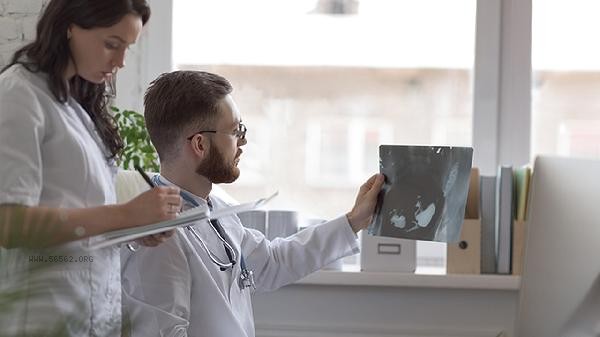
Basic physical examination includes measurement of basic vital signs such as height, weight, blood pressure, pulse, etc. Doctors will examine the skin, lymph nodes, thyroid, heart, lungs, abdomen, and other parts through visual examination, palpation, percussion, auscultation, and other methods. This type of examination can preliminarily detect common problems such as obesity, hypertension, and thyroid enlargement.
II. Laboratory Examination
Laboratory examination includes blood routine, urine routine, stool routine, liver function, kidney function, blood glucose, blood lipids, etc. Blood routine can detect anemia, infection, and other conditions; Urine routine can detect urinary system diseases; Liver function tests include indicators such as transaminase and bilirubin; The main tests for renal function are creatinine and urea nitrogen; The examination of blood sugar and blood lipid is helpful to detect diabetes and hyperlipidemia.
III. Imaging Examination
Common imaging examinations include chest X-ray, abdominal B-ultrasound, electrocardiogram, etc. Chest X-ray can screen for lung diseases; Abdominal ultrasound can examine organs such as liver, gallbladder, pancreas, spleen, and kidney; Electrocardiogram is used to detect cardiac problems such as arrhythmia and myocardial ischemia. Some physical examinations will also include additional items such as carotid ultrasound and bone density examination based on age.

Fourth, Specialized Examination
Specialized examinations include ophthalmology, otolaryngology, dentistry, and other examinations. Ophthalmology will examine vision and fundus; Ear, nose and throat examination for hearing, nasal cavity and throat; Dental examination of teeth and oral mucosa. It is recommended to increase gastrointestinal endoscopy for people over 40 years old. Women should undergo gynecological and breast examinations, while men should undergo prostate examinations.
Fifth, Tumor Marker Examination
Tumor marker examination is not a routine item, but some physical examination packages may include it. Common ones include AFP (liver cancer), CEA (digestive tract tumors), PSA (prostate cancer), etc. This type of examination has certain reference value for screening specific tumors, but there is a possibility of false positives, which need to be comprehensively judged in conjunction with other examinations. The selection of physical examination items should be adjusted based on age, gender, family history, and personal health status. It is recommended to undergo a comprehensive physical examination once a year, maintain an empty stomach for 8-12 hours before the examination, avoid strenuous exercise, and women should avoid menstrual periods. After the physical examination, the report should be properly kept, and any abnormal results should be promptly reviewed by medical personnel. It is important to maintain a healthy lifestyle, exercise moderately, have a balanced diet, and follow a regular schedule.








Comments (0)
Leave a Comment
No comments yet
Be the first to share your thoughts!