
Facial pigmentation may be related to genetic factors, UV exposure, endocrine disorders, skin inflammation, chronic liver disease, and other factors. Spots usually manifest as melasma, freckles, and post inflammatory pigmentation, which can be improved through sun protection, medication application, laser treatment, and other methods.
1. Genetic factors
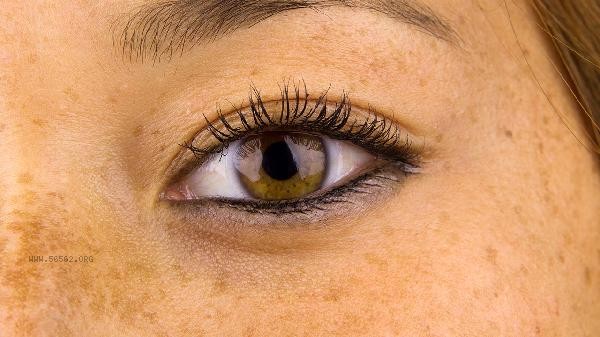
Some populations are prone to freckles due to family inheritance, manifested as symmetrical light brown spots on the nose bridge and cheeks, which darken in color after sun exposure. These types of spots usually do not require special treatment and require strict sun protection in daily life to avoid UV stimulation and activation of melanocytes. If it affects aesthetics, external medications such as hydroquinone cream and vitamin A yogurt cream can be used according to medical advice, or physical therapy such as Q-switched laser can be chosen.
2. Ultraviolet irradiation
Long term unprotected exposure to ultraviolet radiation can activate tyrosinase activity, leading to excessive deposition of melanin and the formation of sunspots. These types of spots are often irregularly distributed in protruding areas such as cheekbones. It is recommended to use a broad-spectrum sunscreen with an SPF of 30 or above daily, in combination with hard sun protection measures. Stubborn pigmentation can be treated with oral administration of tranexamic acid tablets or topical application of compound licorice flavonoid cream, and should be used under the guidance of a doctor.
3. Endocrine disorders
Pregnancy, oral contraceptives, or thyroid dysfunction may cause fluctuations in estrogen levels and induce melasma. Manifested as gray brown patches with blurred boundaries, symmetrically distributed on the cheeks. It is necessary to check hormone related diseases, and use tranexamic acid injection, levo vitamin C essence, etc. in combination to inhibit melanin synthesis. Maintain a regular daily routine and reduce the pressure of staying up late.
4. Skin Inflammation
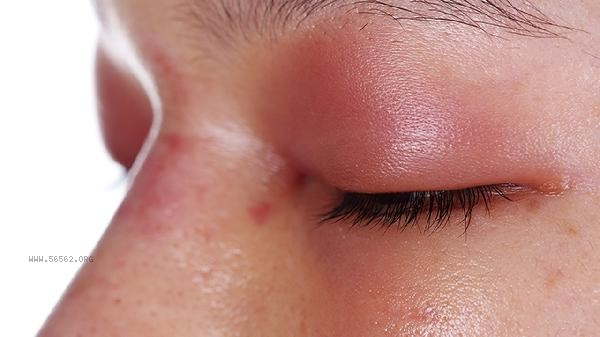
After the healing of skin problems such as acne and eczema, there may be residual pigmentation after inflammation, presenting as light brown to dark brown rashes. During the acute phase, scratching and stimulation should be avoided, and the primary disease should be treated promptly. During the recovery period, polysaccharide sulfate cream can be used to promote pigment metabolism, combined with low concentration fruit acid for skin rejuvenation to accelerate keratin renewal. Sensitive muscles should be carefully selected for stimulating products.
5. Chronic liver disease
Abnormal liver function may lead to the accumulation of metabolic waste, manifested as dull and patchy color on the face, commonly found in the cheekbones and temples. We need to improve liver function tests and treat the primary disease accordingly. Assisted use of liver protective drugs such as glutathione tablets and silymarin capsules, combined with topical application of vitamin E cream to improve skin condition. Limit alcohol intake in daily life and maintain a light diet.

It is recommended to use skincare products containing niacinamide, arbutin, and other ingredients after daily cleaning, adhere to the ABC principle of sun protection, avoid direct sunlight exposure, block physical obstruction, and Cream sunscreen. Avoid using whitening products from unknown sources. If the pigmentation continues to worsen or is accompanied by other symptoms, it is necessary to seek timely medical attention at a dermatologist. If necessary, the type should be determined through a skin microscope or Wood lamp examination. Regular sleep and balanced diet help maintain skin metabolic balance and reduce abnormal pigment deposition.







Comments (0)
Leave a Comment
No comments yet
Be the first to share your thoughts!